Showing posts with label პოლონეთის სამხედრო მრეწველობა. Show all posts

Wednesday, September 8, 2021

Poland unveiled for the first time the Leopard-2PLM1 (a upgraded version of Leopard-2PL)


The MBT Leopard 2PL is mainly tasked to assault and maintain terrain, supporting mechanized and motorized subdivisions is realized with its on-board weapon systems in all weather conditions both during the day and night.

Leopard 2PL version is modernization of Leopard 2A4 tanks already serviced in Polish Army.

Compared to the Leopard 2A4, upgrade includes following issues implementation of the commander's and gunner's sight (3d generation camera), additional ballistic modules on the turret, replacement of the hydraulic stabilization system to new digital system,  installation of modernized Fire Extinguishing and new Fire Suppression Systems, implementation of a new commanders control and monitoring system, modifying the diagnostic system, implementation of Auxiliary Power Unit - APU (17 KW), new turret stowage compartment for crew equipment and customized towing-evacuation equipment to the increased weight of the tank, modernization of main gun with adaptation to the new types of ammunition, implementation of the day-night drivers rear camera.


Additionally, the Leopard 2PL MI version includes: implementation PIX function, introduction function selection the last or first echo the laser range, introduction automatic system extinguishing fire fighting in compartment APU, Introduction system cold start to the engine without restart electronics devices, micro charging battery in battle tank during storage, electronics compartment active cooling, preparation electrical installation for identification Friend or Foe.

Courtesy of Damian Ratka

Friday, June 11, 2021

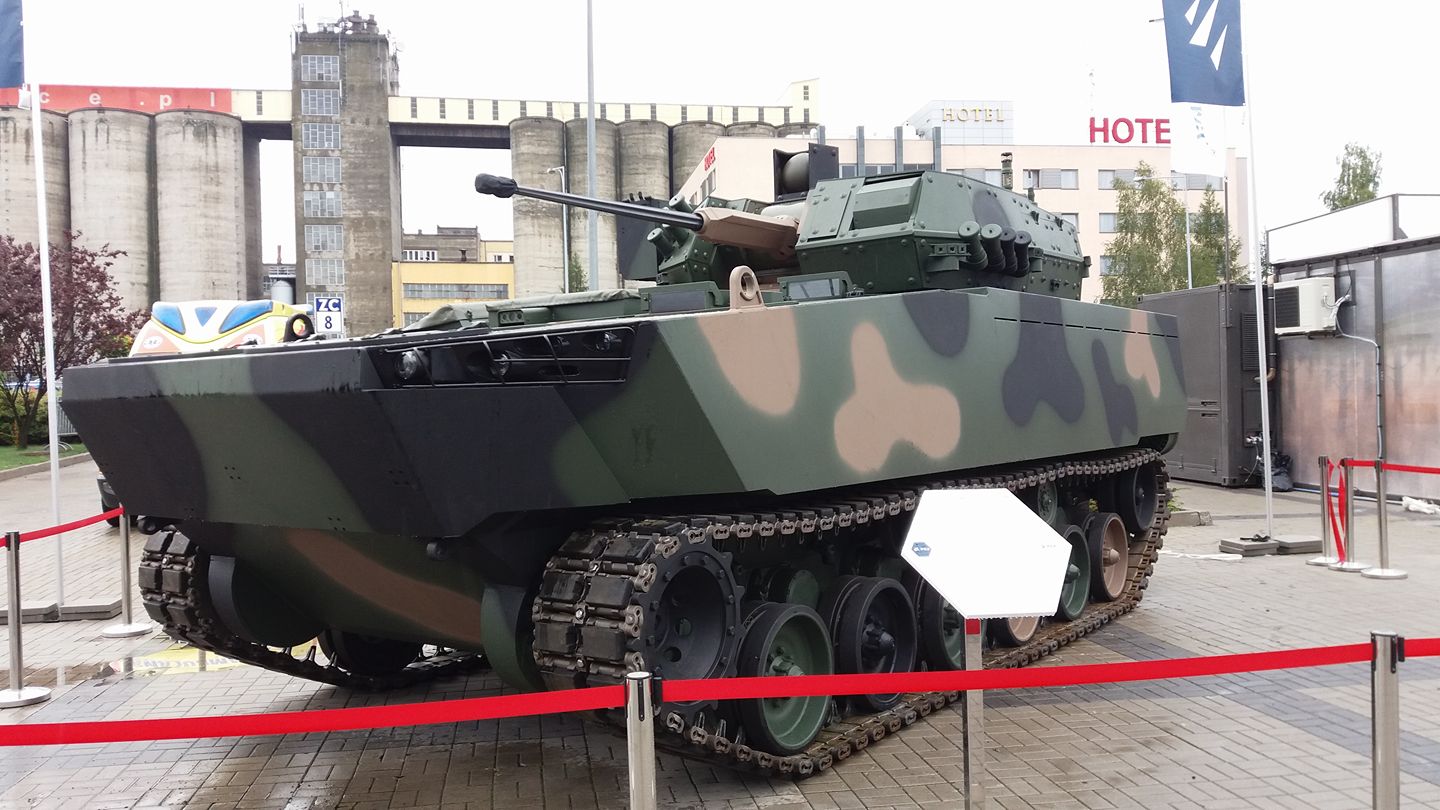
The Borsuk (Badger) - a new Polish Infantry Fighting Vehicle


New Borsuk Fighting Amphibious Infantry Vehicle (Nowy Pływający Bojowy Wóz Piechoty), abbreviated NBPWP

The Borsuk (Badger) is a new Polish Infantry Fighting Vehicle (IFV). It was designed to replace the BWP-1 IFV. Essentially these are redesignated Soviet BMP-1 IFVs. Most of them were obtained from the Soviet Union, while some were locally produced under license. The BWP-1 is obsolete. These vehicles were produced somewhere in between 1966 and 1988 but still form the backbone of the Polish Army's mechanized battalions. Polish Army is gradually modernizing its inventory. However there is still no proper modern replacement for its BWP-1. There was a proposed upgrade program in order to improves capabilities of these ageing IFVs. Also a number of modernized variations of the BWP-1 were introduced in Poland over the years, including the BWP-40, BWP-95 and BWP-1M Puma. A proposed BWP-2000 IFV was cancelled in the late 1990s. There was also a proposed BWP-1M Puma upgrade program, which was also cancelled in 2009. In 2013 it was planned that most BWP-1s will be retired between 2018 and 2021. So the Borsuk was another attempt to create a modern Polish IFV. A consortium was formed by OBRUM and Polish Defense Holding. However in 2013 development was transferred to another consortium led by Huta Stalowa Wola.


NBPWP with ZSSW-30 turret on it, developed within the framework of the BORSUK programme, passed static, dynamic and amphibious tests without any issues. The new vehicle is to be capable of passing over wide water obstacles. Borsuk has also been designed to be able to operate in varied terrain and weather conditions. Furthermore, the vehicle is to exhibit high maneuverability. It is to be easily transportable as well. Borsuk’s basic design assumption is that it shall protect its crew and carried troops from small arms fire and anti-tank grenades, mines and IEDs. It is going to be developed in several variants - from amphibious one to a heavy armoured vehicle.


This Polish IFV has a modular armor which can be tailored depending on requirements.

The Borsuk has significant protection against mine blasts and improvised explosive devices.


The offer of the Polish industry deserves to be called a very valuable and promising one. The Polish state has invested over PLN 75 million in this program, which is around USD 20 million. For this amount, only 4-5 years from the start of design work in Stalowej Woli, the main stages of development work were completed, including the implementation of the NBPWP prototype consisting of a chassis and a remotely controlled tower system (ZSSW-30).


The unmanned tower project was carried out separate. The Polish government has invested about PLN 88 million, or about USD 23 million, in R&D for the ZSSW-30 unmanned tower. Tough ZSSW-30 is a standalone drone tower program not only for Borsuk, but also for Rosomak and other possible platforms.


The Borsuk amphibious IFV is fitted with remotely operated weapon station ZSSW-30 jointly developed by the Polish companies WB Electronics and HSW. The main armament of this turret consists of one Mk44 BUSHMASTER II 30 mm automatic cannon, one coaxial 7.62mm machine model UKM-2000 and two SPIKE-LR anti-tank missiles launchers mounted on the right side of the turret.

The Borsuk is based on a new tracked armored chassis developêd by the Polish defense industry with the engine at the front, turret in the middle, and crew compartment at the rear. The hull and the turret will provide a high level of protection against ballistic threats as well as Rocket-Propelled Grenades (RPG) and the blast of IEDs (Improvised Explosive Devices) explosion.

Polish industry for the project have been built 3 vehicles so far, a pre prototype (model), 1st prototype which was used for ballistic tests, and 2nd prototype currently conduct factory trials. Through entire 2021 vehicle will go through initial factory trails. In 2022 it will go through state/military qualification trails, if successfull, 2023/2024 contract will be signed and manufacturing phase will commence.

It is also confirmed by HSW, that they are working on heavy IFV, so called "Heavy Borsuk", but at the moment no details had been provided.


Source Defenc24

Friday, December 18, 2020

Polish Army receive first unit of PILICA Anti-Aircraft Missile System

Polish Army receive first unit of PILICA Anti-Aircraft Missile System. The system have officially entered in service at the 3rd Air Defense Missile Brigade of Polish Army. This is the one of the six ordered system.


One system includes: 6 fire units with artillery tractors, command station, radar station, 2 transport vehicles and 2 ammunition vehicles. Each fire unit of the PILICA system consists of two 23 mm caliber cannons and two GROM / PIORUN anti-aircraft missile launchers. Each set has its own optoelectronic head with a thermal imaging camera and laser rangefinder.


This configuration gives the PILICA system the ability to conduct autonomous operations, but also to operate as part of an integrated, multi-layered anti-aircraft defense as a very short range system (VSHORAD).

Thursday, July 12, 2018

პოლონეთის არმია ავტომატ "Beryl"-ს ემშვიდობება

სანამ სტატიას წაიკითხავთ, გთხოვთ გადახვიდეთ მითითებულ ბმულზე (ყავისფრად მონიშნული ტექსტი) და მოიწონოთ ჩვენი სამხედრო თემატიკის გევრდი - No Man's Land

................................................................................................................................................................................

3 ივლისს, პოლონეთის თავდაცვის სამინისტრომ, 2131 ცალი wz. 96C ტიპის ავტომატის შესყიდვის შესახებ გაავრცელა ინფორმაცია. ეს იქნება არმიის მიერ შეძენილი  ამ ტიპის იარაღის ბოლო პარტია. შეიარაღებაზე მიღებიდან 21 წლის მერე (1997 წ.), დასრულდა კალაშნიკოვის ბაზაზე შექმნილი ამ პოლონური ავტომატური შაშხანის ეპოქა. ამ პერიოდის განმავლობაში პოლონურმა არმიამ wz. 96 Beryl და wz. 96 Mini Beryl ტიპის 86,5 ათასი ერთეული ავტომატი შეიძინა. მიწოდებული ავტომატები სამ მოდიფიკაციად იყო წარმოდგენილი: A - სტანდარტული სალულე, დასაკეცი კონდახი და შავი, გაუმჭვირვალე მჭიდი, B - წინა ტაქტიკური სახელურით და C - მოდიფიცირებული სალულე პიკატინის მიმმართველებით, ტელესკოპური კონდახი, ცეცხლის რეჟიმის გადამრთველის შეცვლილი კონსტრუქცია და მწვანე ფერის ნახევრად გამჭვირვალე პლასმასი მჭიდი (იხ. ზედა ფოტოზე).


პოლონურ არმიაში ავტომატური შაშხანა wz. 96C Beryl,  5,56×45მმ ტყვიებზე მომუშავე, მოდულურმა ცეცხლსასროლმა კომპლექსმა,  MSBS-მა, ჩაანაცვლა , რომელსაც მომავალში 7,62×51მმ ტყვიებზე მომუშავე ვარიანტიც შეემატება. აღსანიშნავია რომ, 2018 წელს, პოლონურ არმიას, 13 000 ერთეული, ახალი C16 FB-M2 ტიპის შაშხანა  გადაეცა.

აღნიშნული კომპლექსის შესახებ ბლოგზე 2014 წელს უკვე ვწერდი - ახალი პოლონური შაშხანა MSBS


კომპანია FB Radom ექსპულატაციაში მყოფი იარაღის რემონტზე და სათადარიგო ნაწილებზე კონცენტრირებას გეგმავს. მთუმცაღა Beryl-ი მიწოდება სამოქალაქო ბაზარზე, ექსპორტსა და სხვა ძალოვან უწყებებში გაგრძელდება.


წყარო:

Tuesday, September 5, 2017

MSPO-2017 - პოლონეთის სამხედრო მრეწველობის სიახლეები

ზცრს - ალბათ უდაბნოს მეომრებზე გათვლილი

კიდევ ერთი ყოფილი უკრაინელი - ПТ-91М2 (უკრაინაში მას Т-72-120 ეწოდებოდა)

პოლონური Oncilla, ყოფილი უკრაინული Дозор-Б

Sand Cat-ის სხვადასხვა ვარიანტები

მოდერნიზირებული PT-91

პოლონეთის არმიის Leopard-2PL დონემდე მოდერნიზირებული Leopard-2A4

პოლონეთის არმიის Leopard-2A5


 პოლონური ჯავშანამანქანა HIPOPOTAM

ქსმ "ბარსუკის" პირველი ოფიციალური პრემიერა

 Iron Fist-ის ტიპის აქტიური დაცვის სისტემის საბრძოლო ელემენტი

Monday, July 3, 2017

პოლონეთის არმიის ახალი თვითმავალი ნაღმტყორცნი


პლონეთის არმიის მე-17 მექანიზირებულმა ბრიგადამ „RAK“-ის ტიპის 8 ცალი, 120 მილიმეტრიანი, თვითმვალი ნაღმტყორცნი მიიღო. პოლონეთის თავდაცვის სამინისტროს განცხადების თანახმადა, პოლონეთის არმია 2020 წლისთვის 128 ცალ „RAK“-ს, (64 საბურავებიან შასიზე და 64 მუხლუხებიანზე) მიიღებს.
„RAK“-ის ტიპის, თანამედროვე, 120 მილიმეტრიანი თვითმავალი ნაღმტყორცნი, საბურავებიან ჯტრ „Rosomaka”-ს ბაზაზეა შექმნილი და ღჭურვილია დატენვის ავტომატიზირებული სისტემით. აღნიშნულ ნაღმტყორცნს სიშორის სხვადასხვა დიაპაზონში დახრის კუთხის შეცვლით და სხვადასხვა ნაღმების გამოყენებით შეუძლია მოწინააღმდეგის პოზიციაზე საცეცხლე იერიშის განხორციელება.
მახასიათებლები:
  • კალიბრი - 120მმ
  • გათვლა - 3 კაცი
  • ვერტიკალური დამიზნების კუთხე - მინუს 3-დან +85 გრადუსამდე
  • ჰორიზონტალური დამიზნების კუთხე - 360 გრადუსი
  • სროლის მაქსიმალური მანძილი სტანდარტული ნაღმით - 8000-8500მ
  • სროლის მაქსიმალური მანძილი რეაქტიული ნაღმით - 12000მ
  • სწრაფსროლა - 10-12 გასრეოლა წუთში
  • მწარმოებელი - Huta Stalowa Wola - HSW (პოლონეთი), WB Electronics (პოლონეთი)
აღნიშნული სისტემის შესახებ ბლოგზე არაერთხელ ვწერდი:


Thursday, September 1, 2016

PT-16, ანუ Т-72-ის ღრმა მოდერნიზაცია პოლონურად

მანქანას PT-16 ეწოდება, დეტალები ჯერ-ჯერობით უცნობია. როგორც ინტერნეტ სივრცეში პოლონელები წერენ მანქანაზე შემდეგი სიახლეებია რეალიზირებული:
  • პოლონური წარმოების (Huta Stalowa Wola) 120 მილიმეტრიანი ქვემეხი
  • 1000 ც/ძ-ნი სერბული ძრავა (სავარაუდოდ V-46TK)
  • გაუმჯობესებული შუბლა ჯავშანი (დამატებითი კომბინირებული ჯავშანი)
  • ბორტების დამატებითი კომბინირებული ჯავშანი
  • ახალი ცეცხლის მართვის სისტემა
  • დისტანციურად მართვადი საბრძოლო მოდული
  • მანქანა ექსპორტზეა გათვლილი

Monday, February 22, 2016

KTO Rosomak-ას ავღანური აბჯარი

პოლონური არმიის ჯტრ KTO Rosomak-ას ავღანურ ვარიატზე დამატებითი ჯავშანმოდულებია დამონტაჟებული. მწარმოებლის განცხადების თანახმად დამატებითი ჯავშანი წინიდან ПГ-7В-სგან, ხოლო ბორტებიდან 14,5მმ-ნი ტყვიებისგან უზრუნველყოფს მანქანის დაცვას.

ჯტრ-ის ავღანურ ვერსიაზე წინიდან მხოლოდ მძღოლ-მექანიკოსის განყოფილება იყო დაცული დამატებითი ჯავშანმოდულით, თუმცა არსებობს ასევე მანქანის ვერსია, რომელსაც წინიდან მთელს ზედა ფილაზე აქვს დამატებითი მოდული დამონტაჟებული. ქვევით ორივე ვარიანტია მოყვანილი

მოდული გამოცდაზე. ჭურვის დახრის კუთხე მანქანის წინა ზედა ფილის კუთხის იმიტაციას ახდენს 

მძღოლ-მექანიკოსის განყოფილების მოდულის ძირითადი მონაცემები:

  • სისქე - 130მმ
  • მოცულობა - 1,3მ2
  • საშუალო წონა - 340კგ (1,3მ2)
  • დაცვის ხარისხი 
- STANAG level IV
- იცავს მძღოლ-მექანიკოსის გაყოფილებას РПГ-7 გასროლა ПГ-7В-სგან (ექვივალენტია 330მმ RHA-სი)
  • მძღოლს არ უზღუდავს ხედვის არეს.
  • მდგრადია დაზიანებისადმი
  • შესაძლებელია მისი შეცვლა საველე პირობებში
  • კომპზიტური შემადგენლობა
  • შეუძლია რამდენიმე მოხვედრის გაძლება.

მანქანის საბრძოლო კოშკურიაზეც ასევე დაყენებულია დამატებითი ჯავშანპაკეტები

კოშკურის ჯავშანპაკეტების მონაცემები:
  • სისქე 40მმ
  • წონა - 82კგ/მ2
  • დაცვის ხარისხი:
- STANAG Level IV (14,5მმ API) 
- დამატებითი დაცვა ძირითად ჯავშანზე მაგრდება, რომლის დაცვის ხარისხიც Level-2-ს უდრის
  • იაცვს კოშკურას დაზიანებისგან
  • მდგრადია მექანიკური დაზიანებების მიმართ
  • ადვილად ხდება საველე პირობებში შეცვლა
  • შემადგენლობა კომპზიტური - კერამიკა, შუშა, ალუმინი, არამიდი
  • მდგრადია მრავლობითი მოხვედრების მიმართ

კორპუსის საბორტე ჯავშანმოდული

  • სისქე 40მმ
  • წონა - 82კგ/მ2
  • დაცვის ხარისხი:
- STANAG Level IV (14,5მმ API) 
- დამატებითი დაცვა ძირითად ჯავშანზე მაგრდება, რომლის დაცვის ხარისხიც Level-2-ს უდრის


  • იაცვს კორპუსს დაზიანებისგან
  • მდგრადია მექანიკური დაზიანებების მიმართ
  • ადვილად ხდება საველე პირობებში შეცვლა
  • შემადგენლობა კომპზიტური - კერამიკა, შუშა, ალუმინი, არამიდი
  • მდგრადია მრავლობითი მოხვედრების მიმართ
დამატებითი ჯავშანფილებით აღჭურვილი KTO Rosomak-ა 14,5მმ-ნი ტყვიებით დაცხრილვის შემდეგ

დამატებითი ჯავშანფილებით აღჭურვილი KTO Rosomak-ა საერთო-საჯარისო სწავლებაზე 

წყარო: