Courtesy of Hyunmin
1000HP Automatic Transmissions for K9 SPH, K10 ARV and Redback IFV

800HP Automatic Transmissions for K21 IFV

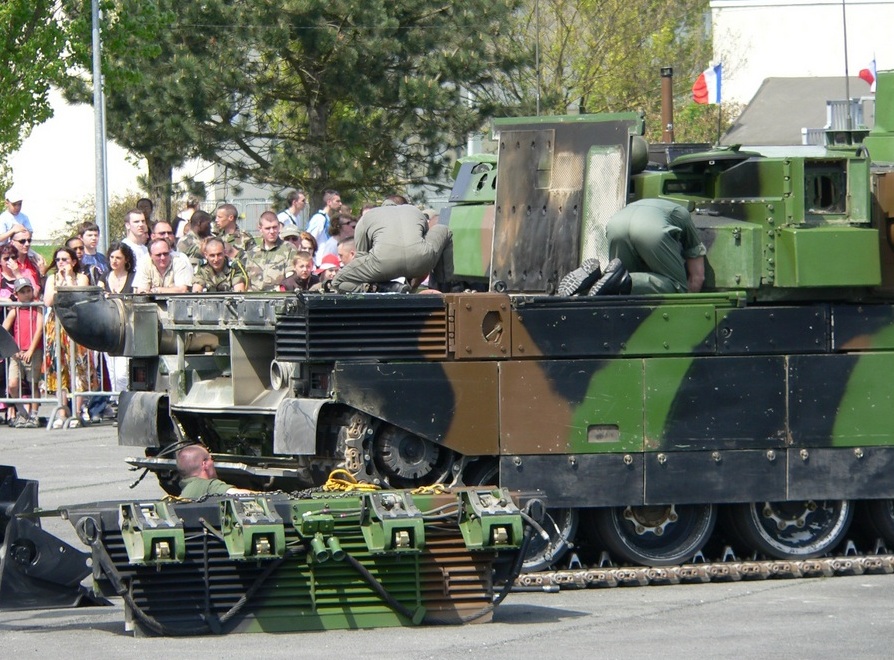
In addition, a couple of interesting shots


Demir told Turkish broadcaster NTV Wednesday that the problem regarding the engine of the tank will soon be solved and that the engine production with local means will also continue simultaneously.
The SSB head previously revealed that the prototypes of both the engine that will power the Altay and another type for light armored vehicles will be ready this year, though the tank will initially use a power unit purchased from abroad.
The prototype for the Altay was unveiled at a 2011 defense show in Istanbul. The next-generation battle tank, which is set to become the Turkish Armed Forces’ (TSK) most important frontline vehicle, was named after army Gen. Fahrettin Altay, who commanded the Fifth Cavalry Corps during the Turkish War of Independence.
Previously, Altay's prototype was powered by a 1,500 horsepower diesel engine from Germany's MTU Friedrichshafen GmbH. The German Rheinmetall has also established a joint venture with Turkey’s land vehicles producer BMC aimed to establish joint production of armored vehicles, particularly the main battle tank, Altay; however, the production and supply of the tank engine came to a halt following Berlin’s decision to limit arms exports to Turkey, a long-term NATO ally.

Turkey had hoped to power the Altay with the German MTU engine and RENK transmission, but talks with German manufacturers over the past couple of years failed due to a federal arms embargo on Turkey. Germany is one of a number of European governments that have limited exports to Turkey over its involvement in the Syrian civil war.
According to the last year announcement, this engine will be the South Korean Doosan Infracore DV27K , 4-cycle, 12-cylinder water-cooled diesel engine with 1500 hp.


Horsepower is officially defined as "the amount of energy required to lift 550 pounds, one foot, in one second." This definition dates back to when cars didn't even exist and, despite the worldwide acceptance of the metric system (America not withstanding) in which feet have been replaced by meters, the definition remains in use today.
Generally speaking, horsepower is an indication of how capable a vehicle is at moving itself around and, consequently, the more horsepower a vehicle possesses, the quicker it can move between two points. In addition to determining how quickly a car or truck can move, horsepower has a direct relationship to top speed. As a vehicle's speed rises, additional horsepower must be expended to push it.
So if the definition of horsepower is so straightforward (550 pounds moved one foot in one second), how can the same vehicle have different horsepower ratings? For instance, Leopard-2 MBT have the 47.6-liter MB-873 Ka-501 engine at 1500 horsepower. Yet in realiti the tank has 1252 horsepower. So what gives?
Gross output, is the output of a ‘bare’ engine running on a test stand with no external engine-driven accessories (e.g., alternators or water pumps), free-flowing exhaust headers with no mufflers, and optimal ignition timing. Gross ratings are also mathematically corrected for standard atmospheric conditions. In other words, gross output represents a particular engine’s maximum output under ideal conditions.
Net hp is what the engine is capable of in a car. It is also taken on an engine dyno at the flywheel, but with the engine equiped as it would be in the car. Stock air filter assembly, cooling system, stock exhaust mainfolds running through stock mufflers, various engine-driven accessories, including the engine’s own water pump and generator/alternator and add-ons like the power steering pump and air conditioning compressor. Engines intended for on-road use typically also have restrictive air cleaners and exhaust systems, sound-deadening mufflers, and emissions-control add-ons like catalytic converters and thermal reactors. Engine tuning is further compromised in the interests of reduced noise, better drivability, improved cold-weather performance, and lower exhaust emissions. All of these factors reduce the engine’s maximum output in ways that the gross rating methodology does not reflect.
Below we can see Gross and net HP of different tank engines


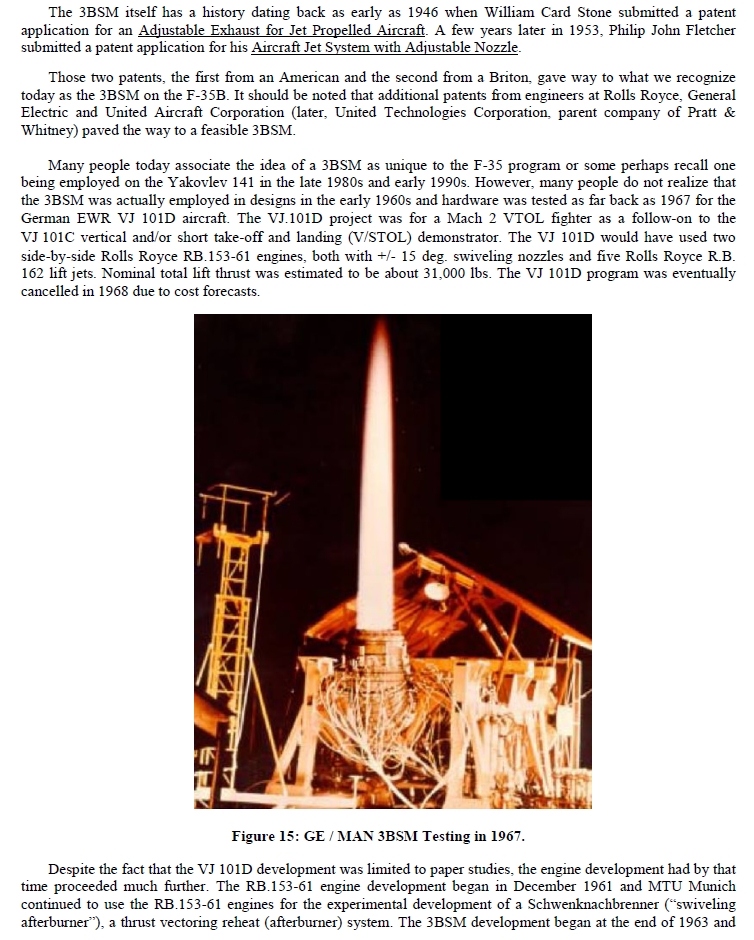
ინტერნეტში აუარება დეზინფორმაციაა გავრცელებული, რომელიც საბჭოთა Як-41 (მოგვიანებით Як-141)-ის და ამერიკულ Х-35-ის და მთლიანი JSF-ის პროგრამის ტექნოლოგიურ კავშირს ამტკიცებს. თვითონ 3BSD-ს (3-Bearing Swivel duct Nozzle - 3 განყოფილებიანი მოტრიალებადი საქშენი) კონსტრუქცია კომპანია Pratt & Whitney-მ რუსულ საქშენზე ადრე შექმნა. 3BSD გამოცდა რეალურ ძრავზე საბჭოთა Як-ის პირველ ფრენას მთელი ოცი წლით უსწრებდა.
70-80-იან წლებში სსრკ-ს საზღვაო ძალებს სურდა რომ მათი ახალი შემოკლებული აფრენისა და ვერტიკალური დაშვების თვითმფრინავს ტრამპლინით აღჭურვილი პლატფორმებიდან ეფრინათ. უცნობია რა მომენტში შეიტყვეს იაკოვლევის ბიუროში სამ განყოფილებიანი მოტრიალებადი საქშენის შესახებ, მაგრამ ფაქტია რომ საბჭოთა ძრავმშენებელმა ბიურომ «Союз»-მა ამ საქშენის საკუთარი ვარიანტი შექმნა. გავრცელებული ფოტოების მიხედვით Як-41-ის საქშენი სამ განყოფილებიან მოტრიალებად არხს წარმოადგენს. Як-141-ზე ასევე გამოიყენებოდა ამწევი ძრავა РД-41 - რომლის მოწყობილობაც იდენტური იყო Convair Model 200-ის ძრავისა. თვითმფრინავის სახელი Як-141, მიანიშნებდა, რომ ის უკვე სერიული მოდელი იყო, მაგრამ სსრკ-ს საზღვაო ძალებმა მისი შეკვეთა არ განახორციელეს.
Як-141-მა 1991 წელს პარიზში გამართულ ავიასალონზე იფრინა. მისი ვერტიკალური ფრენის ჩვენება შეწყვეტილი იქნა იმის შემდეგ, რაც აშკარა გახდა რომ ძრავის საქშენიდან გამოტყორცნილი რეაქტიული ჭავლი ასაფრენი ზოლის საფარველს ადნობდა და ამტვრევდა. 1992 წელს, ფრანბოროს ავიასალონზე, Як-141-ს ასფალტის დაზიანების თავიდან აცილების მიზნით 500 ფუტის სიმაღლეზე ჰაერში ლივლივის ნება მისცეს. მაგრამ Як-141 მაინც იმსახურებს შექებას - ის პირველი რეაქტიული თვითმფრინავი იყო, რომელმაც სამგანყოფილებიანი მოტრიალებადი საქშენით იფრინა, თუმცაღა ეს მან აშშ-ში ამ ტექნოლოგიის შემუშავებიდან 25 წლის მერე განახორციელა.
პროექტ JAST-ზე (Joint Advanced Strike Technology - რომელიც შემდეგ JSF-ში გადაიზარდა) მუშაობის დასაწყისში კომპანია Lockheed (აშშ-ს მთავრობისა და პროგრამა JAST-ის ოფისის ოფიციალური წარმომადგენლების თანხლებით) რუსეთში იაკოვლევის საკონსტრუქციო ბიუროს და კიდევ რამდენიმე საავიაციო მოწყობილობის მწარმოებელს ეწვია (კერძოდ კატაპულტირებადი სავარძლის «К-36»-ის მწარმოებელ Звезда-ს). ვიზიტი Як-141-ის დათვალიერებას და მისი ექსპულატაციის ტექნოლოგიებისა და კონსტრუქციის შესწავლა წარმოადგენდა.
იაკოვლევის საკონსტრუქციო ბიურო თავისი ვერტიკალური აფრენის გამანადგურებლის პროგრამისთვის ფინანსებს ეძებდა. Lockheed-მა Як-141-ის ტექნიკური მონაცემებისა და კონსტრუქციის შესახებ მცირე ინფორმაციის სანაცვლოდ მას დაფინანსება გამოუყო. აშშ-ს მთავრობის თანამშრომლებს გამანადგურებლის დათვალიერების ნება დართეს. მაგრამ უნდა აღინიშნოს რომ ვიზიტამდე X-35-ისთვის უკვე არსებობდა 3BSN-ის პროექტი.
3BSD ამერიკაში 60-იან წლებში გამოიგონეს, 70-იან წლებში ის Convair-მა აშშ-ს საზღვაო ძალებს შესთავაზა, პირველად მსგავსი ტექნოლოგიით 80-იან წლებში საბჭოთა კავშირში იფრინეს, 90-იან წლებში Pratt & Whitney-მ ამ ტექნოლოგიის აღდგენა განახორციელა და ის X-35-ზე დააყენა, 2000-იანების დასაწყისში ეს საქშენი უკვე სერიულად დაყენდა F-35B-ზე.