Showing posts with label აქტიური დაცვის სისტემა. Show all posts

Saturday, January 30, 2021

About Trophy APS and its troubles to integrated in to the Leopard-2A7 MBT


Via SH_MM


  • The purchase and integration of Trophy has been approved by the German parliament (as the contract has a volume above €25 million, approval was required). The price of the systems (including spares, training equipment, dummy rounds, etc.) is supposedly €40 million, total cost (including integration into the tanks) is more than €100 million. Trophy is purchased for 18 tanks (one testbed and 17 tanks).
  • Rumors say that the system weighs more than 3,5 tonnes, which seems quite plausible given the weight increase of the M1A2 SEP v2 Abrams when fitted with Trophy.
  • Trophy has passed a number of German tests including performance in cold environments, resistance to shock and vibrations, and safety tests. Firing trials are still to be made.
  • Also it has been stated, that Germany has no access to the source code and algorithms used by Trophy, which is deemed as bad. German companies are required to disclose the source code of their systems (not only APS, but in general) and to meet certain ISO norms (with certification). Trophy is purchased as a "black box".
  • Trophy will not be integrated into the Leopard 2A7(V) tank, but instead into the Leopard 2A7A1 tank. These are based on the Leopard 2A6A3 turret with newly-made hulls, as the old Leopard 2A6 hulls are unfit for Trophy (e.g. they lack an APU and thus have very limited electrical energy, but it seems that there might be other modifications required). There seem to be two options here: either the Leopard 2A6A3 was chosen in order to free the Leopard 2A7V tanks for the VJTF 2023 or Trophy requires so many/deep changes, that the Leopard 2A7V hull would not be suited for Trophy (which would mean no future purchases of Trophy for Germany). One side effect is that Germany will have 17 more Leopard 2A7 tanks.
  • No Leopard 2 tank with Trophy will be ready for the VJTF 2023, i.e. the only reason why Trophy was purchased at all. Delays in the program will result in a delivery between 2024 and 2025. Instead of 17 Leopard 2 tanks with Trophy, Germany will send 30 Leopard 2A7V tanks for its participation to the VJTF 2023.
  • There are apparently voices in Germany arguing (following the issues with Trophy) that the government should declare (active) protection systems a "national key technology", which would lead to more money being invested into homegrown systems and national solutions being prefered to foreign offers.

Sunday, January 10, 2021

US Army will choose between Rafael Trophy and Rheinmetall ADS

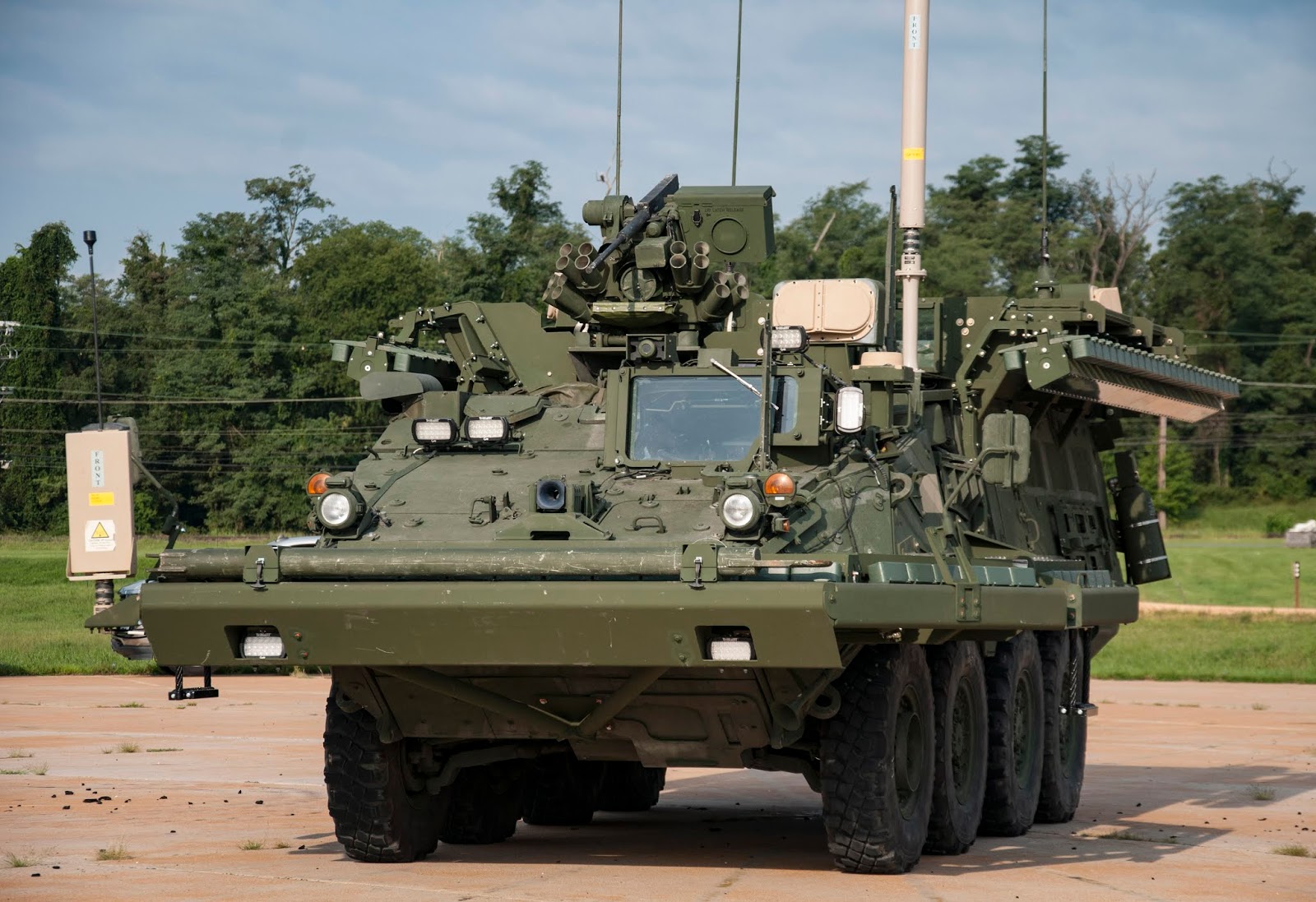
Miniaturized missile defenses work well on heavy tanks, but efforts to fit such Active Protection Systems on light vehicles like Stryker have failed – so far. Now the Army will test two lightweight options: Rafael’s Trophy VPS and Rheinmetall’s ADS.


Rheinmetall Active Defense System destroys an incoming threat at the last instant, by design

This year, the Army will fire live anti-tank warheads at two rival Active Protection Systems to assess how best to protect lightweight armored vehicles like its 8×8 Stryker. The contenders in this “live fire characterization activity” – it isn’t officially a test – will be the German Rheinmetall Active Defense System (ADS) and the Israeli Rafael Trophy Vehicle Protection System (VPS). Not participating, our sources tell us, is the American Artis Iron Curtain, which was the Army’s original pick to protect the Stryker but was subsequently rejected after Army testers found it wanting.

Now, the Rheinmetall ADS and the Rafael Trophy VPS won’t be installed on actual Stryker vehicles. Instead, they’ll be set up on specially designed armored targets. That will allow the Army to measure precisely what damage, if any, gets through the active protection systems from different kinds of attacks.

“The Army intends to conduct live fire characterization activities with the two hard-kill active protection systems on platform agnostic test rigs,” said Ashley John, spokesperson for the Program Executive Officer – Ground Combat Systems (PEO-GCS).

A “hard kill” system, like ADS and VPS, is one that physically shoots down incoming anti-tank missiles and rockets. “Soft kill” decoys and jamming, by contrast, just  make the enemy miss. Hard-kill has worked well on heavy tanks. Israel, Russia and the US all use it. But, as the Army has painfully discovered, it’s much harder to get it to work on lighter vehicles – which need protection the most. For the Stryker in particular, while the reliable, affordable vehicle has become an Army workhorse around the world — with variants carrying everything from infantry to anti-aircraft missiles, 30mm cannon, jammers, and even lasers — the service has struggled for years to make it more survivable in high-intensity combat.

What’s the hold-up? Historically, hard-kill Active Protection Systems are heavy and bulky; they need a lot of electrical power to run radars and targeting computers; and when they intercept incoming warheads, they may cause them to prematurely detonate or burst into shrapnel – “residual penetration” that a heavily armored tank can shrug off, but which a Stryker or other lightly armored vehicle cannot.

The Germans and Israelis have taken different approaches to solving this problem. Rheinmetall’s ADS uses a large number of small explosive charges distributed around the vehicle, computer-controlled to detonate at the precise millisecond to cut apart incoming warheads just before they detonate. Rafael’s Trophy uses a compact missile launcher, which lobs mini-missiles at incoming anti-tank missiles and rockets to intercept them further out. There’s a big debate over which of the two approaches is safer, both for the vehicle being protected and for foot troops or nearby civilians.


For continue the reading follow the link - Army Tries (Again) To Protect Stryker: Rafael or Rheinmetall?

Merkava Mark 4 Model 400

The latest iteration of Merkava is called Mark 4 Model 400, which has a newer C2 (Command and Control) system and enhanced TROPHY (note the  the added optical sensor over the radar).


Wednesday, February 5, 2020

US Army Active Protection Systems (APS) Program summary

Executive Summary

• In FY17, in support of the European Deterrence Initiative, the Army initiated an expedited installation and characterization of three Active Protection Systems (APS): the Rafael Trophy APS for the Army Abrams M1A2 and Marine Corps M1A1 tanks, the Artis Iron Curtain APS for the Stryker family of vehicles, and the Elbit Iron Fist – Light Decoupled APS for the Bradley family of vehicles.

• The selected APS technologies are non-developmental items intended to improve the survivability of ground combat vehicles against anti-tank guided missiles, rocket-propelled grenades (RPGs), and recoilless rifle threats by using a kinetic “hard kill” mechanism to intercept and disrupt/defeat theincoming threat.

• The Army tested the APS in two phases. Phase I assessed technology maturity, performance, and integration. Phase II supported the urgent materiel release (UMR).


Trophy APS
• In FY19, the Army completed Phase II of the TrophyAPS testing. DOT&E will summarize the demonstrated performance in a combined OT&E/LFT&E report in 2QFY20 to support the UMR. 
• Based on the demonstrated performance, the Army issued a directed requirement to procure and install Trophy APS systems on Abrams for a total of four Armored Brigade Combat Teams, by the end of FY20.

Iron Fist – Light Decoupled APS
• In FY18, the Army completed Phase I Iron Fist APS testing on the Bradley. This test supported the Army Requirements Oversight Council (AROC) meeting on November 30, 2018, where the Army decided to move forward with the Phase II Iron Fist – Light Decoupled APS program. Phase II testing is currently scheduled for FY21.

Stryker APS
• In FY18, the Army completed Phase I Iron Curtain APS testing on the Stryker. In FY19, the Army pursued and tested two additional Stryker APS solutions: Advanced Modular Armor Protection – Active Defense System by UBT/Rheinmetall and the Trophy Light system by DRS/Rafael. The Army has not selected any of these solutions due to the demonstrated performance and the systems maturity.

Trophy APS
• The Trophy APS includes search radars to detect, identify, and track incoming threats, and a set of kinetic projectiles intended to destroy the threat or cause its early detonation. The Abrams base armor is expected to absorb post‑engagement threat residuals (threat by-products generated after the collision). The Trophy APS adds approximately 8,600 pounds to the platform. The Army has integrated the Trophy system into the tank’s situational awareness system.

Iron Fist – Light Decoupled APS
• The Iron Fist – Light Decoupled APS includes radars and optics to detect, identify, and track incoming threats, and a set of explosive projectiles intended to destroy or divert the threat. The system adds approximately 1,543 pounds to the platform. The fielded Bradley A3 does not generate sufficient power to operate the APS, while the Bradley A4 power components, currently under development, can support this APS solution.

Stryker APS
• The Army evaluated three different solutions for Stryker APS: Iron Curtain, Advanced Modular Armor Protection – Active Defense System, and the Trophy Medium Variant system. Each vendor had unique technical solutions with different countermeasure mechanisms. The Army did not select any of the three systems evaluated.

Via DOT&E FY 2019 ANNUAL REPORT 

Wednesday, April 3, 2019

ჯტრ Stryker-ის აქტიური დაცვით აღჭურვა კიდევ ერთი წლით გადაიდო

აშშ-ს არმიის შესყიდვების განყოფილების უფროსის განცხადების თანახმად - ჯტრ Stryker-ისთვის აქტიური დაცვის სისტემის ასარჩევად კიდევ ერთი წელია საჭირო.


სამსახურმა უკვე დაიწყო კომპანია Rafael-ის აქტიური დაცვის სისტემის Trophy-ს Abrams-ებზე და კომპანია IMI-ს აქტიური სისტემა Iron Fist-ის Bradley-ბზე დაყენება. ორივე სისტემა დროებითი გადაწყვეტილების სახით იქნა არჩეული და გამოყენებული იქნება მანამდე, სანამ ამერიკელი მწარმოებლები მომავლის სისტემას არ წარმოადგენს. მაგრამ შესყიდვების სამსახურს Stryker-ის შემთხვევაში საწყის წერტილში დაბრუნება მოუწია - მიზეზად ჯტრ Stryker-ზე კომპანია Artis LLC-ს აქტიური დაცვის სისტემა Iron Curtain-ის ინტეგრირების წარუმატებელი მცდელობა დასახელდა.

ამერიკის არმიის ჯავშანტექნიკის აქტიური დაცვის სისტემებით აღჭურვის შესახებ ბლოგზე უკვე არაერთხელ დაიწერა, თემატური სტატიები იხილეთ მოყვანილ ბმულებზე:


შარშან არმიის მოთხოვნის თანახმად ახალ წრეზე არჩეული იქნა ებრაული Rafael ამერიკულ DRS-თან თანამშრომლობით და გერმანული Rheinmetall ამერიკულ UBT-სთან თანამშრომლობით - არჩეული კომპანიის სისტემებმა 2018 წლის ნოემბერში რეალური საცეცხლე გამოცდები გაიარეს. ითვლებოიდა, რომ ამ გამოცდების შემდეგ გამარჯვებული გამოვლინდებოდა - მაგრამ გენერალ ლეიტანტ პაულ ოსტროვსკის (Paul Ostrowski) მიერ სენატში გაკეთებული მოხსენების ტანახმად ამ გადაწყვეტილების მიღებას კიდევ ერთი წელი დასჭირდება.

მომდევნო წლის განმავლობაში განხორციელდება საბრძოლო მანქანებზე ამ ორი სისტემის ინტეგრირება, მათი მონაცემების მოხსნა და შემდეგ ამას მოყვება გადაწყვეტილების მიღება და ერთ-ერთი სისტემის არჩევა.

გენერალ ლეიტენანტ ოსტროვსკის თანახმად, სამსახურმა Stryker-ზე დასამონტაჟებლად ორივე გუნდს ნახაზების და აქტიური დაცვის სისტემის არქიტექტურის წარმოდგენა მოსთხოვა. ორივე გუნდი ამჟამად აწყობის პროცესში იმყოფება.

მას მერე რაც დასრულდება მანქანებზე სისტემების დამონტაჟება, აუცილებლად მოხდება მათი მუშაობის და ეფექტურობის გამოცდა. ეს პროცესი ზუსტად გავს იმას, რაც არმიამ Abrams-ისა და Bradley-ს აქტიური სისტემებით აღსაჭურვავად გაიარა.

ებრაულმა Rafaelმა, ამერიკულ DRS-თან თანამშრომლობით თავისი აქტიური დაცვა Trophy-ს შემსუფუქებული ვარიანტი Trophy VPS წარადგინა. ხოლო გერმანულმა Rheinmetall-მა, ამერიკულ Unified Business Technologies-თან თანამშრომლობით თავისი აქტიური სისტემა - სახელწოდებით Strike Shield წარმოადგინა.

წინა გამოცდების დროს მონაწილეებს არ განუხორციელებია დაცვის სისტემების ჯტრ-ზე მონტაჟი, მათ უბრალოდ Stryker-ების წინ მოათავსეს სტენდები და ამგვარად გამოსცადეს სმათი ეფექტურობა რეალური სროლის პირობებში.

წინა გამოცდებისგან განსხვავებით, ახლად დაგეგმილ გამოცდებზე სისტემების მანქანებზე სრული ინტეგრირება მოხდება. 

საუბრისას გენერალმა ოსტროვსკიმ ასევე დასძინა, რომ არმიამ 2019 წელს ქსმ Bradley-სთვის 88 ცალი აქტიური დაცვის სისტემა Iron Fist-ი შეიძინა, მომდევნო წელს 36 სისტემის შეძენაა დაგეგმილი. ამგვარად სამსახური 2021 წლისთვის ოთხი ჯავშანსატანკო ბრიგადის ადს-ით აღჭურვის გეგმის რეალიზაციის აქტიურ ფაზაში იმყოფება.

აღსანიშნავია რომ არმია აქტიური დაცვის მოდულურ სისტემაზე თვითონაც მუშაობს, რომელიც ინტეგრირებული ციფრულ ხერხემალს გავს, რომელიც ღია არქიტექტურის პრინციპით იქნება შექმნილი და მასში შესაძლებელი იქნება ინტეგრირდეს სხვადასხვა რადარები, ოპტიკური სისტემები და ასევე რბილი და უხეში განადგურების ელემენტები.

Wednesday, November 7, 2018

თურქეთი ტანკების აქტიური დაცვით აღჭურვას იწყებს

თურქეთის არმია M60TM ტიპის ტანაკების ადს-ით აღჭურვას იწყებს


პროექტ Active Protection Systems ASELSAN-ის მენეჯერის, კადირს პარსლის (Kadir Karsli), განცხადების თანახმად, PULAT-ის ტიპის (უკრაინული Заслон-ის კლონი) აქტიური დაცვის ინტეგრაცია  M60TM ტიპის ტანკზე უკვე დაწყებული, 2018 წლის ბოლოსთვის ამ სისტემით 40 ტანკი უნდა აღიჭურვოს. მენეჯერის თქმით, ადს PULAT-მა ყველა გამოცდა წარმატებით გაიარა.

ASELSAN's Active Protection Systems Project Manager Kadir KARSLI said in a panel that, PULAT Active Protection System's integration to M60TMs was started and 40 M60TMs will get their PULATs until at the end of 2018. Karslı said the PULAT APS has passed all the tests successfully.

გამოცდების ვიდეომასალა


ჯავშნის იმიტატორი ტსმრ-ის მოხვედრამდე და მოხვედრის შემდეგ, ადს-მა გამართულად იმუშავა


წყარო:
Cemal Acar

Sunday, September 16, 2018

აშშ-ს ჯავშანტექნიკის ადს-ის პროგრამას Iron Curtain გამოეთიშა

ბოლო წლის განმავლობაში ბლოგში არაერთხელ ვწერდი აშშ-ს არმიის ჯავშანტექნიკისთვის აქტიური დაცვის (ადს) კომპლექსების შესყიდვის შესახებ. 

თემატური სტატიები იხილეთ ბმულებზე:

შეგახსენებთ რომ ჯავშანტექნიკის 3 სახეობისთვის 3 სხვადასხვა ტიპის ადს-ის შერჩევა მიმდინარეობდა, ესენია: M1A2SEP v.3 Abrams-ზე ებრაული Rafael-ის წარმოების Trophy,  Bradley-ზე  ებრაული IMI-ს Iron Fist, ხოლო Stryker-ზე ამერიკული Aris Corporation-ის Iron Curtain. პირველმა კომპლექსმა გამოცდები წარმატებით გაიარა და სერიაშიც წავიდა, მალე ამ კომპლექსით აშშ-ს არმიის 4 ჯავშანსატაკო ბრიგადა აღიჭურვება.

Iron Curtain-ით აღჭურვილი ამერიკული არმიის Stryker-ი გამოცდებზე

Iron Fist-ის გამოცდები გრძელდება და ჯერ კიდევ გაურკვეველია მისი ბედი. რაც შეეხება მესამე, ამერიკული წარმოშობის კომპლექსს, 24 აგვისტოს, აშშ-ს არმიამ Iron Curtain-ზე უარი ოფიციალურად განაცხადა. გამოცდება უჩვენეს რომ, სისტემა უმეტეს შემთხვევებში ანადგურებდა საფრთხეებს, მაგრამ ის ჯერ არ იყო საიმედოობის სათანადო დონემდე მიყვანილი. თავისი როლი ამ უარყოფით მაჩვენებლებში რლს-ის შეცვლამაც ითამაშა: თავდაპირველად კომპლექსი ამერიკული Mustang Technology Group-სის მიერ წარმოებული Mustang-ის ტიპის რლს-ით იყო აღჭურვილი. ამ რადიოლოკაციურმა სადგურმა თავი ვერ გამოიჩინა და ის ებრაული Rada-ს RPS-10-ით შეცვალეს. მაგრამ როგორც ჩანს ახალი რლს-ის ინტეგრაციამ ბევრი დრო წაიღო და Aris Corporation-მა ვერ მოახერხა მისი აშშ-ს არმიისთვის დამაკმაყოფილებელ კონდიციამდე მიყვანა.

Iron Curtain-ის პროგრამიდან გამოვარდნა, ქსმ Bradley და ჯტრ Stryker-ზე ებრაული წარმოების ადს-ის დაყენების შანსებს საგრძნობლად ზრდის. ებრაულმა Rafael-მა ამ ფაქტთან დაკავშირებით, IMI-ს Iron Fist-ის გვერდით, გამოცდებზე საკუთარი  Trophy VPS-იც წარადგინა, კომპლექსი განკუთვნილია როგორც Stryker-ისთვის, ასევე Bradley-სთვის. Trophy VPS (Vehicle Protection System) – ეს Trophy-ს შემსუბუქებული ვარიანტია და ის სხვადასხვა სახის ჯტრ-ებისა და ქსმ-ების დასაცავადაა განკუთვნილი.

ებრაული IMI-ს Iron Fist-ით აღჭურვილი Bradley

 Rafael-ის ახალი შეთავაზება - Trophy VPS

ებრაული სისტემების პოტენციურ კონკურენტად, გერმანული Rheinmetal-ის ADS (Active Defense System) განიხილება. ნებისმიერ შემთხვევაში ამერიკული არმიის გადაწყუვეტილება  2019 წლის პირველ კავრტალში გახდება ცნობილი.


Wednesday, June 6, 2018

Abrams-ების აქტიური დაცვით აღჭურვა დაიწყო

როგორც გენერალმა მარკ მილლეიმ (Mark Milley), ამა წლის 15 მაისს, განაცხადა, აშშ-ს არმიის ყველა ჯავშანსატანკო ბრიგადა აქტიური დაცვის სისტემებით უნდა აღიჭურვოს. საუბარია ტანკებზე, ქსმ-ებსა და ჯტრ-ებზე.

აშშ-ს არმიის ადს-ბის პროგრამაის შესახებ ბლოგზე უკვე ვწერდი - აშშ-ს ჯავშანტექნიკის აქტიური დაცვის სისტემების პროგრამის შესახებ

გენერლის განცხადების თანახმად, როგორც კი კომპანიები შესძლებენ სერიული წარმოების დაწყებას, ეგრევე დაიწყება არმიის ყველა M1 Abrams და M2 Bradley აქტიური დაცვის სისტემით აღჭურვა.

აშშ-ს არმიას, ოთხი ჯავშანსატანკო ბრიგადის ყველა ტანკისთვის, უკვე დაწყებული აქვს Trophy-ს ტიპის აქტიური დაცვის სისტემების შესყიდვა (ერთი ბრიგადა 2018 წელს აღიჭურვება, ხოლო დანარჩენი სამი 2019-ში).

სენატში გაკეთებული მოხსენების დროს, გენერალმა ასევე დასძნა რომ, ქსმ Bradley-ის აქტიური დაცვით აღჭურვა მომდევნო 24 თვის განმავლობაში განხორციელდება.

არსებული გეგმების თანახმად, პირველ რიგში ოთხი აქტიური ჯავშანსატანკო ბრიგადა უნდა აღიჭურვოს აქტიური დაცვით, დანარჩენი ბრიგადები, რომლებიც აშშ-ს ეროვნულ გვარდიაში ირიცხებიან, ჯერ-ჯერობით გეგმაში არაა შეყევანილი (არმიას სულ 9 აქტიური ბრიგადა ყავს, რაოდენობა მომავალში ათამდე გაიზრდება, პლიუს 5 ბრიგადა გვარდიაში). თუმცაღა როგორც გენერალმა განმარტა, აქტიური ბრიგადების, რომლებიც მეწინავე შენაერთებს წარმოადგენენ, აქტიური დაცვით აღჭურვის შემდეგ, რიგში სხვა ბრიგადებიც ჩადგებიან და გრძელვადიანი გეგმების მიხედვით არმიის ყველა ჯავშანერთეული ამგვარი სისტემებით იქნება აღიჭურვილი.

სრული ტექსტი იხილეთ ბმულზე - All Armored Brigades To Get Active Protection Systems: Gen. Milley


არ გასულა 3 კვირა გენერლის განცხადებიდან და აი უკვე გამოჩნდა ამერიკის არმიაში ადს-ებით აღჭურვილი ტექნიკა. თუმცა ჩემის აზრით ძაან ხროგნი და უშნო რამე გამოვიდა. ფოტოზე ებრაული ადს Rafael Trophy-თ აღჭურვილი ამერიკული არმიის 1-ლი საკავალერიო დივიზიის 1-ლი ჯავშანსატანკო ბრიგადის M1A2 SEPv2 Abrams-ები პოლონეთში, პოლიგონ CSWL Drawsko-ზე, NATO-ს საერთაშორისო სწავლება Saber Strike 2018-ზე, ამა წლის ივნისი.

Friday, February 16, 2018

აშშ-ს ჯავშანტექნიკის აქტიური დაცვის სისტემების პროგრამის შესახებ

აშშ-ს არმიის ჯავშანტექნიკაზე აქტიური დაცვის სისტემების დაყენების გადაწყვეტილების შესახებ ბლოგზე უკვე ვწერდი (სტტია შემდეგ ბმულზე იხილიეთ - 2018 წელს Abrams-ი და Bradley აქტიური დაცვით აღიჭურვება) შეგახსენებთ რომ M1A2 Abrams-სზე ებრაული Rafael-ის წარმოების Trophy-ს,  Bradley-ზე  ებრაული IMI-ს Iron Fist-ის, ხოლო Stryker-ზე ამერიკული Aris Corporation-ის Iron Curtain-ის დაყენება გადაწყდა.

Iron Curtain-ით აღჭურვილი Stryker

Trophy-ით და Iron Fist-ით აღჭურვილი  Abrams და Bradley შესაბამისად


თითოეული ტიპის ჯავშანტექნიკის აქტიური დაცვის სისტემამ 3 საფეხურიანი გამოცდები უნდა გაიაროს. პირველი - მახასიათებლების ფაზა (characterization phase), იმის შემოწმება, რომ აქტიურ დაცვას მოცემულ ჯავშანტექნიკაზე საბაზისო სისტემებისთვის ხელის შეუშლელად მოქმედება შეუძლია, პლიუს საბაზისო გამოცდები. მეორე ეტაპი - სრულმაშტაბური გამოცდები (production-representative tests), ანუ სისტემის რეალურ საბრძოლო პირობებთან მიახლოებულ სიტუაციში გამოყენების გამოცდები. ამ გამოცდების სცენარი სამივე აქტიური დაცვის სისტემისთვის ერთნაირია. მესამე ეტაპი - სისტემის გაშლა (deployment of the system).

ამ მომენტისთვის მხოლოდ M1A2 Abrams-ზე გაწერილი Trophy იმყოფება გამოცდების მეორე ფაზაში, ეს საფეხური ზაფხულისთვის უნდა დსრულდეს, რის შემდეგაც დაიწყება მე-3 საფეხური. სხვა ორის სიტემა გრაფიკს ჩამორჩება, სხვა მიზეზებთან ერთად მათ შედარებით გვიან დაიწყეს გამოცდები, თანხები 2017 ფინანსურ წელს იქნა გამოყოფილი. ამ მომენტში Iron Fist  8 თვით, ხოლო Iron Curtain – 6 თვით ჩამორჩებიან გრაფიკს.

სისტემა Iron Curtain-ს რადიოლოკაციური სადგურის (რლს) ინტეგრაციასთან აქვს პრობლემა, რაც მის შეცვლასთანაა დაკავშირებული. ამ სისტემაში ინტეგრირებული იყო 2 სახეობის რლს - ებრაული Rada-ს RPS-10 და ამერიკული Mustang Technology Group-სის Mustang. რადგანაც Mustang-ის ინტეგრირება ადრე მოხდა, მაშინ შეცვლაში ალბათ RPS-10-ზე გადასვლა იგულისხმება, ამის მიზეზი სავარაუდოდ Mustang-ის ძალიან გაძვირება გახდა. სხვა პრობლემა - ეს გამოცდების დაწყების მომენტისთვის სისტემის საერთო მოუმწიფებლობაა (არასაკმარისი მზადყოფნა). ეს ეტაპი თებერვლის ბოლოსთვის უნდა დასრულდეს. რის შემდეგაც სამუშაოების გაგრძელების გადაწყვეტილება იქნება მიღებული.

Bradley-ზე დაყენებული Iron Fist-ის პრობლემა მთლიანობაში ამ ქსმ-ის ენერგეტიკულ სისტემასთანაა დაკავშირებული, რომელსაც საერთოდ არ შეეძლო რაიმე აქტიური დაცვის მაგვარი სისტემის უზრუნველყოფა. საჭირო გახდა სისტემაში ცვლილებების შეტანა, რომლის დროსაც Bradley-ს მომავალ მოდერნიზაციაში გაწერილი კომპონენტების გამოყენება გახდა საჭირო. მხოლოდ ამის შემდეგ გახდა შესაძლებელი სისტემის დაყენება და გამოცდების პირველი საფეხურის დაწყება. შემდეგში პრობლემები თვითონ აქტიური დაცვის სისტემაში გამოვლინდა: მისი მუშაობის ლოგიკა, ელექტროენერგიის ხარჯვის მართვა და ასე შემდეგ. IMI-ს სპეციალისტებს ხარვეზების აღმოფხვრის მიზნით, რეგულარულად უხდებოდათ ცვლილებების შეტანა, ბოლო ხარვეზზე მუშაობა დეკებრის ბოლოს მოუწიათ. თებერვლის შუა რიცხვებისთვის სავარაუდოდ შესწორებების შეტანა დასრულდება და ამის შემდეგ შესაძლებელი გახდება გამოცდების გაგრძელება.

Trophy-ს გამოცდები

ამ ორი სისტემის (Iron Fist და Iron Curtain) მიერ გამოცდების პირველი საფეხურის ჩაგდების შემთხვევაში, აშშ-ს არმია შეიძლება კონკურსიდან ადრე გაცხრილულ, გერმანული Rheinmetall-ის აქტიური დაცვის სისტემას,  ADS-ს (Active Defense System) მიუბუნდეს.

წყარო:
Systems to protect Stryker, Bradley vehicles from missile attacks delayed

აღსანიშნავია რომ პრობლემებს გამოცდებზე Abrams-იც წააწყდა. გასული წლის ივნისის ტესტებზე დამატებითმა წონამ (რომელიც 2,2 ტონას აღწევს), კოშკურის მობრუნებაში დისბალანსი გამოიწვია. ტანკის 5 გრადუსიან დახრაზე დაყენების შემთხვევაში ეკიპაჟს არ შეეძლო კოშკურის ხელით ობრუნება, ხოლო 8 გარდუსზე მეტი დახრის შემთხვევაში მობრუნების მექანიზმის სიმძლავრე საგრძნობლად მცირდებოდა. ტექნიკურმა ანალიზმა ასევე უჩვენა ქვემეხის სასხლეტის დაშვებასა და გასროლას შორის შეყოვების მაღალი ალბათობა.
2017 წელის სექტემბერში განხორციელებულმა შემდგომმა გამოცდებმა გაუმჯობესება უჩვენეს, შემცირდა კოშკურის მობრუნების მაჩვენებლის დეგრადაცია იმდენად რომ, ეკიპაჟს შეეძლო აქტიური დაცვის სისტემით აღჭურვილი ტანკიდან ბრძოლის წარმოება. ასევე არ შეიმჩნეოდა შეყოვნება გასროლების დროს. მიუხედავად ამისა, არმიას ჯერ არ გადაუწყვეტია ბოლომდე ამ ცვლილებების შეტანის შესახებ.


აღნიშნული პრობლემების შესახებ საუბარია FY2017 DOT&E annual report-ში:

- The June 2017 user assessment event identified a degradation in turret traverse performance resulting from an imbalance of the turret due to the additional weight of the Trophy system. The crew could not traverse the turret manually on slopes greater than 5 degrees and power traverse capability was degraded on slopes greater than 8 degrees.  Technical analysis indicated a high likelihood of delays between pulling the trigger and the main gun round actually firing.
-  The subsequent user testing in September 2017 identified several mitigations that reduced the degradation in turret traverse performance enough for crews to conduct combat operations with the additional weight, and the potential trigger delay problems were not observed during the event.  The Army has not made a final decision on the final configuration for mitigations.