Showing posts with label Bradley. Show all posts

Friday, February 17, 2023

Coleman APS-2 worksite serves as staging area for U.S. Bradleys set to support Ukraine

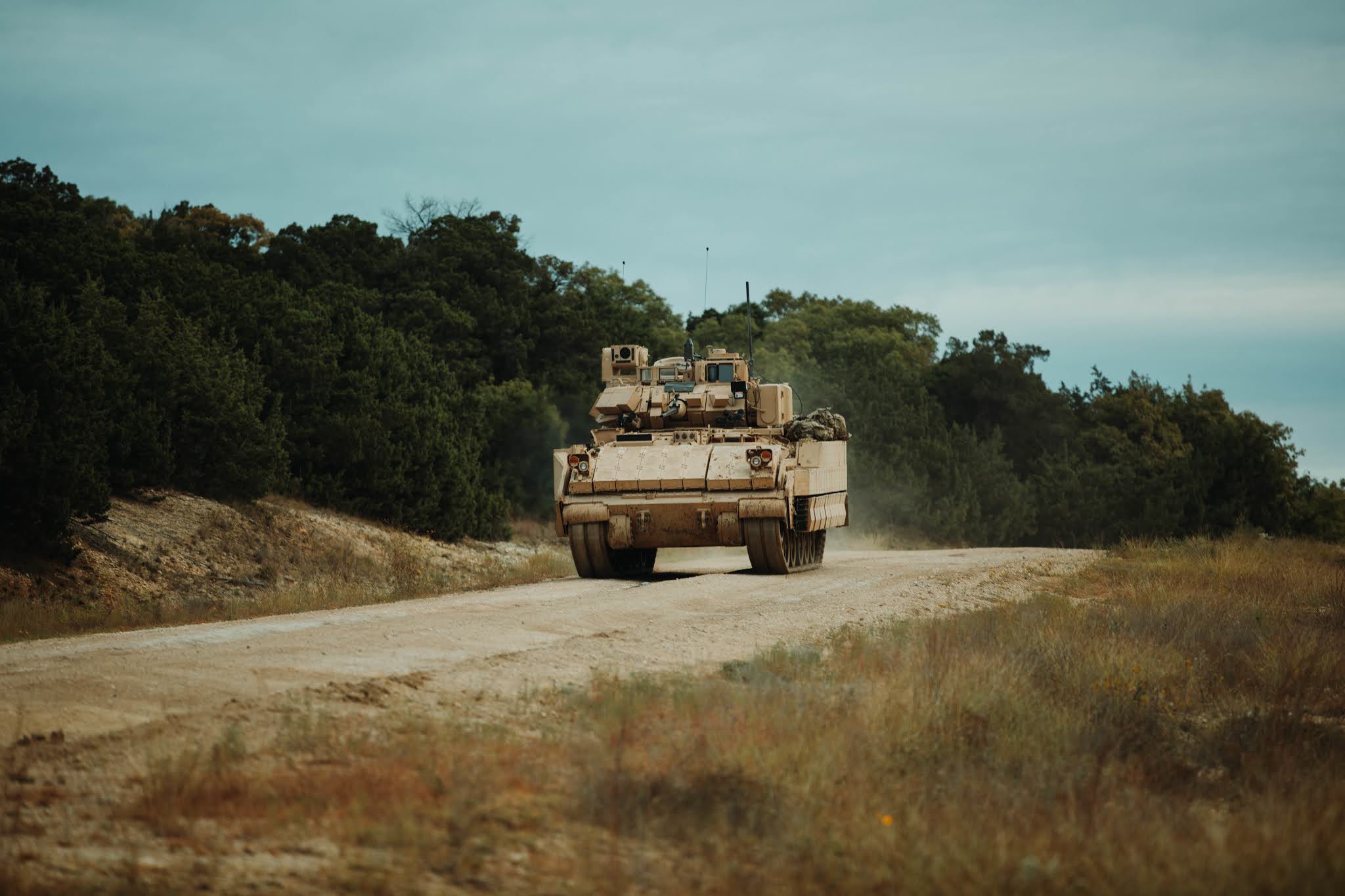
MANNHEIM, Germany – The first shipment of M2A2 Bradley infantry fighting vehicles from the U.S. has arrived at the Coleman Army Prepositioned Stocks-2 worksite, and a team of experts headed by the 405th Army Field Support Brigade is there staging and preparing the Bradleys for onward movement.


The more than 60 Bradleys – which left Charleston, South Carolina, about three weeks ago and started arriving at the Coleman APS-2 worksite in Mannheim earlier this week – are part of a $2.85 billion U.S. military aid agreement announced earlier this year to help provide Ukraine with additional defensive capabilities in order to protect itself from Russia.

Via www.army.mil

Tuesday, December 22, 2020

Year of Firsts – BAE Systems combat vehicles and weapon systems

2020 year summarizing video from BAE Systems


M109A7, M2A4, AAV, AMPV, Virginia class submarine, ACV


Thursday, October 29, 2020

U.S. Army begins testing new version of Bradley fighting vehicle


FORT HOOD, TEXAS – First Team Infantrymen test two new versions of the Bradly Fighting Vehicle (BFV), Fort Hood, Texas, Oct. 24, 2020.


Troopers of 1st Battalion, 12th Cavalry Regiment (1-12 CAV), 3rd Armored Brigade Combat Team (3ABCT), 1st Cavalry Division, spent several nights in the field getting to know the new the M2A4 and M7A4 Bradley versions.

Linking up with test officers of the U.S. Army Operational Test Command (OTC) during a series of maneuvers and simulated force-on-force engagements, few Soldiers have had the chance to see the new machines in person, let alone get behind the wheel and test them.

Capt. Ian Schultz, Chosen Company Commander, 1-12 CAV, led his Troopers through the testing.

“Training and testing on the M2A4 and M7A4 placed our Troopers on the leading edge of technological innovation for maneuver warfare,” said Schultz.

“Our Troopers got to experience first-hand the next iteration of the infantry fighting vehicles under tough and realistic conditions that not only stressed and improved our systems and training, but stressed the capabilities of the M2A4 and M7A4.”

During the testing, OTC data collectors were on the ground with the Soldiers every step of the way gathering information that will later be used to analyze the overall capabilities of the vehicle in a report to senior Army leaders

“The information generated through the operational test provided the Program Manager valuable information that will influence the production platform,” said Schultz.

“The data generated through the test will shape the U.S. Army’s recommendation and requirements for final production standards on the M2A4 and M7A4.”


Testing is a collaboration between multiple Army organizations and took years of planning and preparation prior to execution.

“Although these organizations have different specific missions related to the evaluation, all of us worked together to ensure we maintained Trooper safety, gathered relevant test data, and accomplished unit mission essential training to build lethal platoons and a killer company,” said Schultz.

Shultz also added his Troopers emerged every day better than they were the day before.

The new BFV variants offer a number of upgrades and overhauls.

The idea behind the vehicle is to provide a faster, more durable, and survivable platform with increased oversight; according to Kummer, giving more power to the Troopers at the platoon and squad level to ensure success during large-scale ground combat operations.

“It is the hardware upgrade for the Bradly,” Kummer said. “The engine and transmission were upgraded, the mission command suite was upgraded, and the driver’s vision was upgraded with a new thermal device.”

These primary features are the highlights of the new infantry fighting vehicle and current reason for an operational test.

Once the data is collected, OTC will compile and analyze what went right and what did not.

Kummer stated, the review of tactics, doctrine, and applicability in accordance with Army development and all the data is reportable to congress.

He ended by stating OTC will use information provided by the Soldiers and data collectors during the test to decide what needs to be changed and what should stay the same.

The A4 series modification involves the installation of a new 8-cylinder Cummins VTA903E-T675 diesel engine with a capacity of 675 horsepower, a new HMPT-800-3ECB hydraulic transmission, which will allow the M2A4 Bradley to install the Iron Fist Light Decoupled (IFLD) active protection system for armored vehicles developed by the Israeli Elbit Systems company.


As noted by the company, the new version of Bradley is the finest combat vehicle system in the world.

The Bradley M2A4 features the latest digitized electronics for optimum situational awareness, network connectivity and communication within the Armored Brigade Combat Team. It is equipped with a wide-angle Driver’s Vision Enhancer, improved Force XXI Battle Command Bridge, and Below (FBCB2) software integration improve friendly and enemy vehicle identification, enhancing situational awareness. The addition of a High-Speed Slip Ring, greater network connectivity and Smart Displays that simultaneously display classified and unclassified information also improve situational awareness.

The upgraded vehicle also received lightweight tracks, new shock absorbers and suspension, and stiffer torsion bars. This increased the ground clearance from 380 to 510 millimeters, which increased not only the mobility, but also the protection of the vehicle from anti-tank mines.

Leveraging the lethality functionality from its predecessor, the Bradley M2A4 consists of full ballistic fire control hosted on a new central processing unit, aided dual-target tracking, automatic gun target adjustment, automatic bore sighting and hunter-killer capabilities. The Bushmaster 25mm cannon fires both explosive and armor piercing rounds, while TOW missiles defeat enemy armor. The 7.62mm coaxial machine gun provides high volume fires at close ranges.


Saturday, October 17, 2020

Elbit Systems introduced the Iron Vision transparent armour system on the M2A2 Bradley IFV

Elbit Systems introduced the cutting edge Iron Vision transparent armour system in the AUSA-2020. The system is installed on US Army M2A2 Bradley IFV.


IronVision™ is the near eye display system for ground combat vehicles, providing situational awareness for crews inside armored vehicles. This low-latency technology allows soldiers to see through the armor of vehicles smoothly, and fight with closed hatches. IronVision provides 360-degree situational awareness that increases survivability and effectiveness of the vehicle. IronVision™ also allows integration with fire control system of the vehicle, which significantly increases vehicle lethality.

The system previously was demonstrated on the Elbit Systems innovative Armored Fighting Vehicle (AFV), as part of the CARMEL Future Combat Vehicle project of the Israeli Ministry of Defense.

Saturday, July 18, 2020

U.S. Army Releases Draft RFP for OMFV Preliminary Digital Design Phase

The U.S. Army issued a draft Request for Proposal (RFP) for the Optionally Manned Fighting Vehicle (OMFV) Preliminary Digital Design phase on July 17.

Raytheon/Rheinmetall Lynx Prototype


The draft RFP describes the transformational vision for OMFV, outlines broad performance specifications and characteristics, and places a great deal of emphasis on a squad-focused platform. It will gather additional industry feedback prior to the final RFP release for this phase later this year.

“As we continue to progress through the first phase of our five-phased approach for the OMFV program, communication, inclusive feedback and innovative thinking from industry remains key,” said Maj. Gen. Brian Cummings, the Army’s program executive officer for Ground Combat Systems. “We are looking forward to receiving feedback and learning from industry what’s in the realm of the possible as we continue to develop this truly transformational vehicle for our Soldiers.”

“Accurately defining the desired set of capabilities without over-constraining the design is critically important,” said Brig. Gen. Ross Coffman, director of the Next Generation Combat Vehicles Cross Functional Team (NGCV CFT). “The Army is committed to open communication with industry to ensure the characteristics and eventual requirements of the OMFV are informed by technological advances.”

The draft RFP will be open for feedback for 40 days, and the feedback received from industry will help shape additional industry engagements and ultimately the final RFP for this phase of the program. The final RFP for the Preliminary Digital Design phase is planned to result in the award of up to five contracts in June of 2021 under a full and open competition.

“We do not want to box industry into a solution,” said Cummings. “We want to incentivize industry as they lean forward and think creatively to bring the Army innovative technologies and solutions necessary to achieve our vision – both in terms of the ability to integrate newer technology we are seeing today and leaving space for future growth on the OMFV platform.”

As stated earlier this year, the Army is planning a five-phased approach to design, prototype, test and produce the OMFV. This approach focuses on encouraging innovation, maximizing competition throughout the entire program, and producing a transformational infantry fighting vehicle (IFV) that will dominate maneuver in Multi-Domain Operations (MDO).

U.S. Army OMFV Program

The Optionally Manned Fighting Vehicle (OMFV) program is seeking to replace the U.S. Army’s Bradley Fighting Vehicles (BFV).

The OMFV program is part of the larger Next Generation Combat Vehicles (NGCV) program. Other programs under NGCV are Armored Multi-Purpose Vehicle, or AMPV; Mobile Protected Firepower, or MPF; future robotic combat vehicles, or RCV; and the next-generation main battle tank.

The NGCV-OMFV will be designed to maneuver Soldiers in the future operating environment to a position of advantage to engage in close combat and deliver decisive lethality during the execution of combined arms maneuver. NGCV must exceed current capabilities while overmatching similar threat class systems.

The vehicle must have the following capabilities:

  • Optionally manned. It must have the ability to conduct remotely controlled operations while the crew is off platform.
  • Capacity. It should eventually operate with no more than two crewmen and possess sufficient volume under armor to carry at least six Soldiers.
  • Transportability. Two OMFVs should be transportable by one C-17 aircraft and be ready for combat within 15 minutes.
  • Dense urban terrain operations and mobility. Platforms should include the ability to super elevate weapons and simultaneously engage threats using main gun and an independent weapons system.
  • Protection. It must possess requisite protection to survive on the contemporary and future battlefield.
  • Growth. It will possess sufficient size, weight, architecture, power, and cooling for automotive and electrical purposes to meet all platform needs and allow for pre-planned product improvements.
  • Lethality. It should apply immediate, precise and decisively lethal extended range medium caliber, directed energy, and missile fires in day/night all-weather conditions, while moving and/or stationary against moving and/or stationary targets. The platform should allow for mounted, dismount, and unmanned system target handover.
  • Embedded Platform Training. It should have embedded training systems that have interoperability with the Synthetic Training Environment.
  • Sustainability. Industry should demonstrate innovations that achieve breakthroughs in power generation and management to achieve increased operational range and fuel efficiency; increased silent watch, part and component reliability, and significantly reduced sustainment burden.

Thursday, July 2, 2020

Bradley IFV Mission Enabling Technologies Demonstrators (MET-D)

Modified Bradley Fighting Vehicles known as Mission Enabling Technologies Demonstrators (MET-D) and modified M113 tracked armored personnel carriers, known as Robotic Combat Vehicles (RCVs) are being utilized in a soldier operation experimentation at Ft. Carson, Col., from June 15 – Aug. 14, 2020.

Sunday, April 12, 2020

OMFV: US Army Revamps Bradley Replacement For Russian Front

Survivability in battle is priority No. 1. Transportability by aircraft? It’s been demoted to a subitem under priority No. 7. designs are due in 2023, physical prototypes in 2025, and operational vehicles by 2028.


  • The Ex-OMFV:
The Mission Enabling Technologies Demonstrator manned vehicle can operate two unmanned platforms to make contact with the enemy before soldiers do, while achieving overmatch against future operating environment threats. The Army’s vision includes three robotic vehicle variants—light, medium and large, but service officials have decided for now to cancel the acquisition of a medium variant. U.S. Army photo by Jerome Aliotta/Released 

WASHINGTON: Last night, with face-to-face meetings shut down by the COVID-19 coronavirus, the Army posted 14 pages of in-depth answers to industry’s questions about the rebooted Optionally Manned Fighting Vehicle program.

Just in case anyone didn’t understand just how thoroughly the Army has changed course, the document released yesterday spells it out: “No requirements from the first RFP [Request For Proposals] remain valid. This is a new RFP.”

The Army cancelled that first attempt at OMFV back in January when no bidder could meet its ambitious schedule and technical requirements. OMFV is meant to replace the Reagan-era M2 Bradley troop carrier with a “transformational” war machine boasting extensive automation, tactical networking, and other cutting-edge technologies.

A US Army M2 Bradley and Hungarian BTR-80s exercise in Lithuania. The BTR-80, like most European troop carriers, is much more lightly armed and armored than the Bradley.

Two critical details of the “programmatic narrative” stand out: the emphasis on survivability over transportability, and the more realistic demands on industry for both timeline and technology. The revised vehicle is now even more clearly focused on combatting the Russian threat in Eastern Europe.

For the first time, the Army put its nine desired “characteristics” for the OMFV in rank order.

Survivability beats transportability


For the first time, the Army unequivocally makes survivability the top priority, ahead of air transportability.

Now, that’s survivability against enemy Infantry Fighting Vehicles like the Russian BMP,-3 armed with anti-tank missiles and mid-calibre weapons, not against main battle tanks with 125 mm high-velocity cannon: “The OMFV must protect its crew and infantry from enemy IFVs,” the narrative states. But survivability is nevertheless central to the Bradley replacement’s mission statement (emphasis ours): “The OMFV will serve as the Army’s Infantry Fighting Vehicle (IFV) tasked to maneuver through the enemy’s disruption zone and deliver Soldiers to their dismount point unharmed.”

The new document even puts survivability (priority No. 1) slightly ahead of ground mobility (priority No. 2). While weight isn’t as big a factor on the ground as in the air, heavily armored vehicles over 50 tons – like the M1 Abrams main battle tank – can’t safely cross most bridges in Eastern Europe.

By contrast, the Army’s original Request For Proposals required two OMFVs to fit on a single Air Force C-17 jet transport. That meant they could be no heavier than a late-model Bradley, even though they were supposed to be much better armored.

The new document makes clear that, in the vast majority of both historical and projected conflicts, heavy armored units rarely move by plane. “The Army anticipates that Armored Brigade Combat Teams (ABCT) will continue to deploy primarily via water and rail, but must maintain the ability to transport via air as an option for commanders,” the programmatic narrative says. “The C-5 and C-17 will be the primary aircraft used to transport the OMFV.”

Two crucial pieces of context here. First, the C-5 is a much larger Air Force transport than the C-17, able to carry twice the load. Second, even though the C-17 is still an option, there’s nothing about fitting more than one OMFV aboard.

A single C-17 (right column) can carry 1 M1 Abrams main battle tank, two M2 Bradley infantry fighting vehicles, or three partially disassembled AH-64 Apache helicopters. A C-5 (left column) can carry twice as much. SOURCE: Lockheed Martin

Yes, the Army is giving up some strategic flexibility here. The service has struggled for eight decades to square the circle of an armored vehicle heavy enough to survive and light enough to transport by air. The resulting compromises ranged from partial successes to total failures: the little-used M22 Locust of World War II, the problematic M41 Walker Bulldog of the 1950s, the breakdown-prone M551 Sheridan used in Vietnam and Panama, the cancelled Future Combat System of the 2000s, and the ongoing Mobile Protected Firepower program.

But while the Air Force can fly a few tanks almost anywhere on short notice — which could be decisive against a lightly armed adversary — there just aren’t enough planes to deploy and supply multiple armored brigades, which is what you’d need against a foe like Russia.

Fortunately, while lightly armed adversaries could and do pop up unexpectedly around the world, we know exactly where Russia is and what countries its armored legions can reach. That’s why the US is prepositioning warehouses full of armored vehicles and other equipment in Europe.

We also know where China could strike, but the Western Pacific, with its scattered, rugged islands, is poor terrain for tanks. While the Army and Marines plan to deploy missile launchers on Pacific Islands, any Chinese landing force sent to dig them out would have to come by ship or plane, limiting the weapons it could bring.

If you know where the war you’re worried about will be, the best time to get there is before the shooting starts. By choosing to optimize the OMFV for Eastern Europe, rather than make it a jack-of-all trades for crises worldwide, the Army makes the program’s problems much more solvable.

More time, more money, more leeway for bidders


The tentative schedule released yesterday (above) starts with an extensive period of back-and-forth between industry and the Army, already underway, about what the new vehicle should look like.

  • A formal Request For Proposals based on these discussions won’t come out until April 2021.
  • In October 2021, the Army will kick off the first round of competition, picking up to five of those proposals it will pay industry to develop into “initial digital designs.” The Army will then evaluate those virtual vehicles in computer models and simulations.
  • In April 2023, the Army will narrow the field further, to at most three competitors, which will get government funding to refine their designs and build actual working prototypes by July 2025.
  • The Army will test those prototypes through 2026 and pick one winner in January 2027. The winning vehicle will Low-Rate Initial Production (LRIP) later that year, and a full battalion of OMFVs should be operational by September 2028.
By contrast, the original Request For Proposals, released in March 2019, demanded each bidder build a working vehicle at its own expense as and deliver this “bid sample” by Oct. 1st last year. Most potential manufacturers didn’t even try, and only one competitor, General Dynamics, managed to meet the deadline. Then the Army disqualified GD’s vehicle anyway for not meeting the (arguably impossible) requirement to combine heavy armor with air transportability.

This time around, “the Army is not requiring any bid samples prior to contract award,” yesterday’s release makes clear. “The Army is still drafting the M&S [Modeling & Simulation] test plan which may require vendors to build early surrogate platforms” (emphasis ours), but any “surrogate” will be only “a low-level mockup (e.g., digital, wood, etc.),” not anything nearly as expensive as an actual drivable vehicle.

By contrast, the original Request For Proposals, released in March 2019, demanded each bidder build a working vehicle at its own expense as and deliver this “bid sample” by Oct. 1st last year. Most potential manufacturers didn’t even try, and only one competitor, General Dynamics, managed to meet the deadline. Then the Army disqualified GD’s vehicle anyway for not meeting the (arguably impossible) requirement to combine heavy armor with air transportability.

This time around, “the Army is not requiring any bid samples prior to contract award,” yesterday’s release makes clear. “The Army is still drafting the M&S [Modeling & Simulation] test plan which may require vendors to build early surrogate platforms” (emphasis ours), but any “surrogate” will be only “a low-level mockup (e.g., digital, wood, etc.),” not anything nearly as expensive as an actual drivable vehicle.

As with air transportability, the Army is giving up something it wanted: time. While the original plan would have put operational OMFVs in a combat unit by 2026, the new schedule adds two more years. Fielding enough to fight the Russians in Eastern Europe will take even longer.

There is a strategic risk to not having the new vehicles in time. But there is an equal danger of taking on too much too fast — and failing. Then you might not get any new vehicles at all – which is what happened with the Army’s last two attempts to replace the Bradley, the Future Combat System and the Ground Combat Vehicle. The service can’t afford another failure, which means realism has to trump ambition.

That’s why yesterday’s release also doubles down on a key feature of the rebooted OMFV approach first outlined in February: Instead of requiring bidders to meet rigid technical requirements, which may or may not be feasible, the Army is laying out broad “characteristics” and asking industry how best to achieve them. (Those characteristics were first spelled out in February, but they weren’t explicitly put in order by priority until now). Only after years of dialogue, digital design work, and simulations show what’s really feasible does the Army plan to lock down technical requirements.

“The magic here is keeping broad characteristics and slowly refining them over time,” Army Futures Command’s director for armor modernization, Brig. Gen. Richard Ross Coffman, told me back in February. “We won’t lock requirements until we absolutely have to.”

Wednesday, February 5, 2020

US Army Active Protection Systems (APS) Program summary

Executive Summary

• In FY17, in support of the European Deterrence Initiative, the Army initiated an expedited installation and characterization of three Active Protection Systems (APS): the Rafael Trophy APS for the Army Abrams M1A2 and Marine Corps M1A1 tanks, the Artis Iron Curtain APS for the Stryker family of vehicles, and the Elbit Iron Fist – Light Decoupled APS for the Bradley family of vehicles.

• The selected APS technologies are non-developmental items intended to improve the survivability of ground combat vehicles against anti-tank guided missiles, rocket-propelled grenades (RPGs), and recoilless rifle threats by using a kinetic “hard kill” mechanism to intercept and disrupt/defeat theincoming threat.

• The Army tested the APS in two phases. Phase I assessed technology maturity, performance, and integration. Phase II supported the urgent materiel release (UMR).


Trophy APS
• In FY19, the Army completed Phase II of the TrophyAPS testing. DOT&E will summarize the demonstrated performance in a combined OT&E/LFT&E report in 2QFY20 to support the UMR. 
• Based on the demonstrated performance, the Army issued a directed requirement to procure and install Trophy APS systems on Abrams for a total of four Armored Brigade Combat Teams, by the end of FY20.

Iron Fist – Light Decoupled APS
• In FY18, the Army completed Phase I Iron Fist APS testing on the Bradley. This test supported the Army Requirements Oversight Council (AROC) meeting on November 30, 2018, where the Army decided to move forward with the Phase II Iron Fist – Light Decoupled APS program. Phase II testing is currently scheduled for FY21.

Stryker APS
• In FY18, the Army completed Phase I Iron Curtain APS testing on the Stryker. In FY19, the Army pursued and tested two additional Stryker APS solutions: Advanced Modular Armor Protection – Active Defense System by UBT/Rheinmetall and the Trophy Light system by DRS/Rafael. The Army has not selected any of these solutions due to the demonstrated performance and the systems maturity.

Trophy APS
• The Trophy APS includes search radars to detect, identify, and track incoming threats, and a set of kinetic projectiles intended to destroy the threat or cause its early detonation. The Abrams base armor is expected to absorb post‑engagement threat residuals (threat by-products generated after the collision). The Trophy APS adds approximately 8,600 pounds to the platform. The Army has integrated the Trophy system into the tank’s situational awareness system.

Iron Fist – Light Decoupled APS
• The Iron Fist – Light Decoupled APS includes radars and optics to detect, identify, and track incoming threats, and a set of explosive projectiles intended to destroy or divert the threat. The system adds approximately 1,543 pounds to the platform. The fielded Bradley A3 does not generate sufficient power to operate the APS, while the Bradley A4 power components, currently under development, can support this APS solution.

Stryker APS
• The Army evaluated three different solutions for Stryker APS: Iron Curtain, Advanced Modular Armor Protection – Active Defense System, and the Trophy Medium Variant system. Each vendor had unique technical solutions with different countermeasure mechanisms. The Army did not select any of the three systems evaluated.

Via DOT&E FY 2019 ANNUAL REPORT 

Sunday, January 26, 2020

Next-generation of combat: U.S. Army modernizing the Bradley

U.S. Army’s long-standing infantry fighting vehicle back on the testing range at YPG


YUMA, Ariz. (KYMA) - On any given day, there could be 60 to 100 military testings at Yuma Proving Ground (YPG). Currently, the U.S. Army is going through a very significant modernization process, testing for the next generation of combat.

Seven hours a day, four days a week, and hundreds of miles of paved roads, gravel, and cross country courses. The Army’s long-standing infantry fighting vehicle, the Bradley, is back on the training range at YPG.

Test officers are experimenting with advanced running gear.

YPG's test center is trying out a new suspension system to improve the ride quality when hauling soldiers through combat zones, as well as reducing maintenance time. Mark Schauer said, “The vehicle itself is still on the drawing board. But we’re testing components that may be used in future vehicles.”

Test officer, Jade Janis added, “There's nothing on this system that's the same as something in use already. It's all completely redesigned with newer technology."

The newly implemented suspension system offers a built-in height management system; giving the capability to raise and lower the vehicle from the driver's seat. YPG is involved in the developmental stages of next-generation combat vehicles.

This project could be tested for a least a year before moving to the next phase of approval. To see the Bradley and other combat vehicles up close, YPG invites you to its 2020 Open House event on February 15th.

Thursday, July 4, 2019

აშშ-ს არმიის რობოტიზირებული საბრძოლო მანქანების პროგრამა


აშშ-ს არმიის "სახმელეთო სისტემების საბრძოლო შესაძლებლობების განვითარების სამმართველოს ცენტრმა" (Combat Capabilities Development Command Ground Vehicle Systems Center -  CCDC GVSC) სატრანსპორტო საშუალებების ტექნოლოგიის დემონსტრატორის ამბიციური პროექტ (Mission Enabler Technologies-Demonstrator-ის (MET-D) პრეზენტაცია განახორციელა. ტექნოლოგიების დემონსტრატორი M113-ისა ქსმ Bradley-ს ბაზაზე შექმნილ რობოტიზირებული საბრძოლო მანქანების სახით იქნა წარმოდგენილი.


დემონსტრატორში გამოყენებულია კამერების, გამოსახულების ასახვის, სამომხმარებლო გრაფიკული ინტერფეისი და ინფორმაციის კაბელით გადაცემის უახლესი ტექნოლოგიები, რომლის საშუალებითაც შესაძლებელია გამოსახულების უპილოტო საფრენი აპარატებიდან მიღება და მეწინავე საკომუნიკაციო საშუალებებში ინტეგრირება. ეს ყველაფერი ქვეითებისთვის ბრძოლის ველის უკეთესი გათვითცნობიერებისა და საკომუნიკაციო შესაძლებლობების გასაუმჯობესებლად იქნება გამოყენებული.


პროგრამა, სახელწოდებით NGCV (Next Generation Combat Vehicle - ახალი თაობის საბრძოლო მანქანა) ოფიციალურად 2018 წლის ივნისში დაიწყო. 2018 წლის ოქტომბერში პროგრამას სახელი შეუცვალეს და მას OMFV (Optionally Manned Fighting Vehicle - ოფციონალურად მართვადი საბრძოლო მანქანა) ეწოდა, დაემატა სხვა პროგრამებიც და მთლიანობაშუ NGCV-ს პროგრამის სახელის ქვეშ გაერთიანდა. ახალი NGCV პროგრამის ფარგლებში დაგეგმილია შემდეგი სახის მანქანების შექმნა:


  • ოფციონალურად მართვადი საბრძოლო მანქანა (Optionally Manned Fighting Vehicle - OMFV) - ქსმ M-2 Bradley-ს შემცვლელი.
  • მრავალფუნქციური ჯავშანმანქანა (Armored Multi-Purpose Vehicle - AMPV) - ჯტრ M-113-ის შემცვლელი.
  • მობილური დაცული საცეცხლე მანქანა (Mobile Protected Firepower - MPF).
  • ქვეითთა საბრიგადო საბრძოლო ჯგუფებისთვის (IBCT) განკუთვნილი მსუბუქი ტანკები.
  • რობოტული საბრძოლო მანქანები (Robotic Combat Vehicles - RCV) სამ ვარიანტად: პირველი ვარიანტი, ეგრეთ წოდებული RCV-Light, იქნება შვიდი ტონის ფარგლებში და აღჭურვილი იქნება სენსორების კომპლექტით, რომელიც მანქანას ცეცხლის წარმოების საშუალებას მისცემს. მეორე ვარიანტი, RCV-Medium, ათი ტონის ფარგლებში იქნება და აღჭურვილი იქნება საშუალო კალიბრის ქვემეხითა და ტსმრ-ით, ხოლო მესამე და ყველაზე მძიმე მანქანა, RCV-Heavy, ოც ტონას აიწონის და საშუალება ექნება განახორციელოს პირდაპირი საცეცხლე დარტყმები (სავარაუდოდ საუბარია თანამდეროვე სატანკო ქვემეხის ანალოგზე).
  • გადამწყვეტი გამანადგურებელი დარტყმის პლატოფრმა (Decisive Lethality Platform - DLP) - ტანკ M-1 Abrams-ის შემცვლელი.
რობოტიზირებული საბრძოლო მანქანების სამი ვარიანტი (მსუბუქი, საშუალო და მძიმე)


RCV დანიშნულებას მოდულური მისიების მხარდაჭერა წარმოადგენს და ის მეთაურს საშუალებას აძლევს მოახდინოს მანქანის შესაძლებლობების ადაპტირება ყველა კონკრეტული მისიისთვის. ტექნოლოგიების განვითარება საბრძოლო მანქანის დისტანციურად მართვის და მისი სხვა უპილოტო საბრძოლო მანქანებთან მიერთების საშუალებას იძლევა. ერთ პილოტირებად მანქანას შესაძლებლობა ექნება მართოს ერთიდან ოთხამდე უპილოტო საბრძოლო მანქანა RCV. მანქანების ჯგუფის მართვა რადიოკავშირით განხორციელდება. პროექტის განვითარების მაღალ დონეზე მანქანები სრულიად ავტონომიურად იმოქმედებენ, ამისათვის მათ ხელოვნური ინტელექტი და ნეირონული ქსელები დასჭირდებათ - რაც ჯერ-ჯერობით მიუღწევადია, მაგრამ უკვე განვითარების ჰორიზნტზეა.


წყარო:

Wednesday, April 3, 2019

ჯტრ Stryker-ის აქტიური დაცვით აღჭურვა კიდევ ერთი წლით გადაიდო

აშშ-ს არმიის შესყიდვების განყოფილების უფროსის განცხადების თანახმად - ჯტრ Stryker-ისთვის აქტიური დაცვის სისტემის ასარჩევად კიდევ ერთი წელია საჭირო.


სამსახურმა უკვე დაიწყო კომპანია Rafael-ის აქტიური დაცვის სისტემის Trophy-ს Abrams-ებზე და კომპანია IMI-ს აქტიური სისტემა Iron Fist-ის Bradley-ბზე დაყენება. ორივე სისტემა დროებითი გადაწყვეტილების სახით იქნა არჩეული და გამოყენებული იქნება მანამდე, სანამ ამერიკელი მწარმოებლები მომავლის სისტემას არ წარმოადგენს. მაგრამ შესყიდვების სამსახურს Stryker-ის შემთხვევაში საწყის წერტილში დაბრუნება მოუწია - მიზეზად ჯტრ Stryker-ზე კომპანია Artis LLC-ს აქტიური დაცვის სისტემა Iron Curtain-ის ინტეგრირების წარუმატებელი მცდელობა დასახელდა.

ამერიკის არმიის ჯავშანტექნიკის აქტიური დაცვის სისტემებით აღჭურვის შესახებ ბლოგზე უკვე არაერთხელ დაიწერა, თემატური სტატიები იხილეთ მოყვანილ ბმულებზე:


შარშან არმიის მოთხოვნის თანახმად ახალ წრეზე არჩეული იქნა ებრაული Rafael ამერიკულ DRS-თან თანამშრომლობით და გერმანული Rheinmetall ამერიკულ UBT-სთან თანამშრომლობით - არჩეული კომპანიის სისტემებმა 2018 წლის ნოემბერში რეალური საცეცხლე გამოცდები გაიარეს. ითვლებოიდა, რომ ამ გამოცდების შემდეგ გამარჯვებული გამოვლინდებოდა - მაგრამ გენერალ ლეიტანტ პაულ ოსტროვსკის (Paul Ostrowski) მიერ სენატში გაკეთებული მოხსენების ტანახმად ამ გადაწყვეტილების მიღებას კიდევ ერთი წელი დასჭირდება.

მომდევნო წლის განმავლობაში განხორციელდება საბრძოლო მანქანებზე ამ ორი სისტემის ინტეგრირება, მათი მონაცემების მოხსნა და შემდეგ ამას მოყვება გადაწყვეტილების მიღება და ერთ-ერთი სისტემის არჩევა.

გენერალ ლეიტენანტ ოსტროვსკის თანახმად, სამსახურმა Stryker-ზე დასამონტაჟებლად ორივე გუნდს ნახაზების და აქტიური დაცვის სისტემის არქიტექტურის წარმოდგენა მოსთხოვა. ორივე გუნდი ამჟამად აწყობის პროცესში იმყოფება.

მას მერე რაც დასრულდება მანქანებზე სისტემების დამონტაჟება, აუცილებლად მოხდება მათი მუშაობის და ეფექტურობის გამოცდა. ეს პროცესი ზუსტად გავს იმას, რაც არმიამ Abrams-ისა და Bradley-ს აქტიური სისტემებით აღსაჭურვავად გაიარა.

ებრაულმა Rafaelმა, ამერიკულ DRS-თან თანამშრომლობით თავისი აქტიური დაცვა Trophy-ს შემსუფუქებული ვარიანტი Trophy VPS წარადგინა. ხოლო გერმანულმა Rheinmetall-მა, ამერიკულ Unified Business Technologies-თან თანამშრომლობით თავისი აქტიური სისტემა - სახელწოდებით Strike Shield წარმოადგინა.

წინა გამოცდების დროს მონაწილეებს არ განუხორციელებია დაცვის სისტემების ჯტრ-ზე მონტაჟი, მათ უბრალოდ Stryker-ების წინ მოათავსეს სტენდები და ამგვარად გამოსცადეს სმათი ეფექტურობა რეალური სროლის პირობებში.

წინა გამოცდებისგან განსხვავებით, ახლად დაგეგმილ გამოცდებზე სისტემების მანქანებზე სრული ინტეგრირება მოხდება. 

საუბრისას გენერალმა ოსტროვსკიმ ასევე დასძინა, რომ არმიამ 2019 წელს ქსმ Bradley-სთვის 88 ცალი აქტიური დაცვის სისტემა Iron Fist-ი შეიძინა, მომდევნო წელს 36 სისტემის შეძენაა დაგეგმილი. ამგვარად სამსახური 2021 წლისთვის ოთხი ჯავშანსატანკო ბრიგადის ადს-ით აღჭურვის გეგმის რეალიზაციის აქტიურ ფაზაში იმყოფება.

აღსანიშნავია რომ არმია აქტიური დაცვის მოდულურ სისტემაზე თვითონაც მუშაობს, რომელიც ინტეგრირებული ციფრულ ხერხემალს გავს, რომელიც ღია არქიტექტურის პრინციპით იქნება შექმნილი და მასში შესაძლებელი იქნება ინტეგრირდეს სხვადასხვა რადარები, ოპტიკური სისტემები და ასევე რბილი და უხეში განადგურების ელემენტები.

Thursday, March 21, 2019

აშშ-ს არმიამ ტექნიკის შენიღბვის ახალი ტექნოლოგია წარადგინა

აშშ-ს არმიამ სახმელეთო საბრძოლო მანქანების გაუმჯობესებული საღებავის შესახებ დამატებითი ცნობები წარმოადგინა. სახმელეთო ტექნიკას, ისევე როგორც ჯარისკაცებს, ესაჭიროება შენიღბვა - დღეისთვის არმიას უკვე აქვს სახმელეთო ტექნიკის შესაღები საშუალებები, რომლებიც ტექნიკის სითბურ კვალს ამცირებენ, რაც ბრძოლის ველზე მის გადარჩენადობას ზრდის.


სახმელეთო სისტემების დაფარვის სისტემა (Ground Vehicle Coating System) შემუშავებული იქნა "სახმელეთო სისტემების საბრძოლო შესაძლებლობების განვითარების სამმართველოს ცენტრის" (Combat Capabilities Development Command Ground Vehicle Systems Center -  CCDC GVSC), "არმიის  საბრძოლო შესაძლებლობების განვითარების მეთაურობის ლაბორატორიისა" (Combat Capabilities Development Command Army Research Laboratory -  CRLC ARL) და "არმიის საწარმოო ტექნოლოგიების" (Army's Manufacturing Technology) შემჩნევადობის შემცირების ერთობლივი პროგრამის ფარგლებში. ეს ახალი საფარველი ასევე ამცირებს ჯარისკაცებზე მავნე ქიმიური აგენტების ზემოქმედებას.

არმიის საწარმოო ტექნოლოგიების პროგრამამ, რომელიც ასევე ცნობილია სახელწოდებით ManTech, მწარმოებელს აუცილებელი დაფინანსება გამოუყო, რათა შეემუშავებინა, გაეუმჯობესებინა, გამოეცადა და დაემტკიცებინა ქიმიური აგენტებისადმი მედეგი საღებავის საფარველი, რომელიც ტრანსპორტის შემჩნევადობასაც შეამცირებდა.


ამ საღებავს რამოდენიმე დადებითი მხარე გააჩნია - პირვანდელ პროგრამასთან შედარებით მისი ღირებულება 75% მცირეა და ამას გარდა მისი გამოყენება სატრანსპორტო საშუალებების გარდა შესაძლებელია ისეთ უძრავ ობიექტებზე, როგორებიცაა საწყობები, სადგომები და მის დასატანად არმიის არსენალში არსებული ხელსაწყოების გამოყენებაა შესაძლებელი. ეს ყველაფერი წარმოებისა და გამოყენების ღირებულებას საგრძნობლად ამცირებს.

2018 წელს სამუშაო ჯგუფმა (CCDC GVSC, CRLC ARL და ManTech-ის ოფისმა) აშშ-ს სპეციალური ოპერაციების სარდლობასთან (SOCOM) ერთად მცირე ხომალდების შესაღებავად საფარველის რუხი ვარიანტი შეიმუშავა. ამგვარად საფარველის სისტემა საკმაოდ მიმზიდველია მიწოდების მხრივ - რადგანაც ის რამდენიმე ფერში არსებობს. დასაწყისისთვის მისი გამოყენება დაგეგმილია აშშ-ს არმიის ჯავშანტექნიკის ფართო ნომენკლატურაზე - Abrams-ზე, Bradley-ზე და Strayker-ზე.


წყარო:

Sunday, September 16, 2018

აშშ-ს ჯავშანტექნიკის ადს-ის პროგრამას Iron Curtain გამოეთიშა

ბოლო წლის განმავლობაში ბლოგში არაერთხელ ვწერდი აშშ-ს არმიის ჯავშანტექნიკისთვის აქტიური დაცვის (ადს) კომპლექსების შესყიდვის შესახებ. 

თემატური სტატიები იხილეთ ბმულებზე:

შეგახსენებთ რომ ჯავშანტექნიკის 3 სახეობისთვის 3 სხვადასხვა ტიპის ადს-ის შერჩევა მიმდინარეობდა, ესენია: M1A2SEP v.3 Abrams-ზე ებრაული Rafael-ის წარმოების Trophy,  Bradley-ზე  ებრაული IMI-ს Iron Fist, ხოლო Stryker-ზე ამერიკული Aris Corporation-ის Iron Curtain. პირველმა კომპლექსმა გამოცდები წარმატებით გაიარა და სერიაშიც წავიდა, მალე ამ კომპლექსით აშშ-ს არმიის 4 ჯავშანსატაკო ბრიგადა აღიჭურვება.

Iron Curtain-ით აღჭურვილი ამერიკული არმიის Stryker-ი გამოცდებზე

Iron Fist-ის გამოცდები გრძელდება და ჯერ კიდევ გაურკვეველია მისი ბედი. რაც შეეხება მესამე, ამერიკული წარმოშობის კომპლექსს, 24 აგვისტოს, აშშ-ს არმიამ Iron Curtain-ზე უარი ოფიციალურად განაცხადა. გამოცდება უჩვენეს რომ, სისტემა უმეტეს შემთხვევებში ანადგურებდა საფრთხეებს, მაგრამ ის ჯერ არ იყო საიმედოობის სათანადო დონემდე მიყვანილი. თავისი როლი ამ უარყოფით მაჩვენებლებში რლს-ის შეცვლამაც ითამაშა: თავდაპირველად კომპლექსი ამერიკული Mustang Technology Group-სის მიერ წარმოებული Mustang-ის ტიპის რლს-ით იყო აღჭურვილი. ამ რადიოლოკაციურმა სადგურმა თავი ვერ გამოიჩინა და ის ებრაული Rada-ს RPS-10-ით შეცვალეს. მაგრამ როგორც ჩანს ახალი რლს-ის ინტეგრაციამ ბევრი დრო წაიღო და Aris Corporation-მა ვერ მოახერხა მისი აშშ-ს არმიისთვის დამაკმაყოფილებელ კონდიციამდე მიყვანა.

Iron Curtain-ის პროგრამიდან გამოვარდნა, ქსმ Bradley და ჯტრ Stryker-ზე ებრაული წარმოების ადს-ის დაყენების შანსებს საგრძნობლად ზრდის. ებრაულმა Rafael-მა ამ ფაქტთან დაკავშირებით, IMI-ს Iron Fist-ის გვერდით, გამოცდებზე საკუთარი  Trophy VPS-იც წარადგინა, კომპლექსი განკუთვნილია როგორც Stryker-ისთვის, ასევე Bradley-სთვის. Trophy VPS (Vehicle Protection System) – ეს Trophy-ს შემსუბუქებული ვარიანტია და ის სხვადასხვა სახის ჯტრ-ებისა და ქსმ-ების დასაცავადაა განკუთვნილი.

ებრაული IMI-ს Iron Fist-ით აღჭურვილი Bradley

 Rafael-ის ახალი შეთავაზება - Trophy VPS

ებრაული სისტემების პოტენციურ კონკურენტად, გერმანული Rheinmetal-ის ADS (Active Defense System) განიხილება. ნებისმიერ შემთხვევაში ამერიკული არმიის გადაწყუვეტილება  2019 წლის პირველ კავრტალში გახდება ცნობილი.


Wednesday, June 6, 2018

Abrams-ების აქტიური დაცვით აღჭურვა დაიწყო

როგორც გენერალმა მარკ მილლეიმ (Mark Milley), ამა წლის 15 მაისს, განაცხადა, აშშ-ს არმიის ყველა ჯავშანსატანკო ბრიგადა აქტიური დაცვის სისტემებით უნდა აღიჭურვოს. საუბარია ტანკებზე, ქსმ-ებსა და ჯტრ-ებზე.

აშშ-ს არმიის ადს-ბის პროგრამაის შესახებ ბლოგზე უკვე ვწერდი - აშშ-ს ჯავშანტექნიკის აქტიური დაცვის სისტემების პროგრამის შესახებ

გენერლის განცხადების თანახმად, როგორც კი კომპანიები შესძლებენ სერიული წარმოების დაწყებას, ეგრევე დაიწყება არმიის ყველა M1 Abrams და M2 Bradley აქტიური დაცვის სისტემით აღჭურვა.

აშშ-ს არმიას, ოთხი ჯავშანსატანკო ბრიგადის ყველა ტანკისთვის, უკვე დაწყებული აქვს Trophy-ს ტიპის აქტიური დაცვის სისტემების შესყიდვა (ერთი ბრიგადა 2018 წელს აღიჭურვება, ხოლო დანარჩენი სამი 2019-ში).

სენატში გაკეთებული მოხსენების დროს, გენერალმა ასევე დასძნა რომ, ქსმ Bradley-ის აქტიური დაცვით აღჭურვა მომდევნო 24 თვის განმავლობაში განხორციელდება.

არსებული გეგმების თანახმად, პირველ რიგში ოთხი აქტიური ჯავშანსატანკო ბრიგადა უნდა აღიჭურვოს აქტიური დაცვით, დანარჩენი ბრიგადები, რომლებიც აშშ-ს ეროვნულ გვარდიაში ირიცხებიან, ჯერ-ჯერობით გეგმაში არაა შეყევანილი (არმიას სულ 9 აქტიური ბრიგადა ყავს, რაოდენობა მომავალში ათამდე გაიზრდება, პლიუს 5 ბრიგადა გვარდიაში). თუმცაღა როგორც გენერალმა განმარტა, აქტიური ბრიგადების, რომლებიც მეწინავე შენაერთებს წარმოადგენენ, აქტიური დაცვით აღჭურვის შემდეგ, რიგში სხვა ბრიგადებიც ჩადგებიან და გრძელვადიანი გეგმების მიხედვით არმიის ყველა ჯავშანერთეული ამგვარი სისტემებით იქნება აღიჭურვილი.

სრული ტექსტი იხილეთ ბმულზე - All Armored Brigades To Get Active Protection Systems: Gen. Milley


არ გასულა 3 კვირა გენერლის განცხადებიდან და აი უკვე გამოჩნდა ამერიკის არმიაში ადს-ებით აღჭურვილი ტექნიკა. თუმცა ჩემის აზრით ძაან ხროგნი და უშნო რამე გამოვიდა. ფოტოზე ებრაული ადს Rafael Trophy-თ აღჭურვილი ამერიკული არმიის 1-ლი საკავალერიო დივიზიის 1-ლი ჯავშანსატანკო ბრიგადის M1A2 SEPv2 Abrams-ები პოლონეთში, პოლიგონ CSWL Drawsko-ზე, NATO-ს საერთაშორისო სწავლება Saber Strike 2018-ზე, ამა წლის ივნისი.

Friday, February 16, 2018

აშშ-ს ჯავშანტექნიკის აქტიური დაცვის სისტემების პროგრამის შესახებ

აშშ-ს არმიის ჯავშანტექნიკაზე აქტიური დაცვის სისტემების დაყენების გადაწყვეტილების შესახებ ბლოგზე უკვე ვწერდი (სტტია შემდეგ ბმულზე იხილიეთ - 2018 წელს Abrams-ი და Bradley აქტიური დაცვით აღიჭურვება) შეგახსენებთ რომ M1A2 Abrams-სზე ებრაული Rafael-ის წარმოების Trophy-ს,  Bradley-ზე  ებრაული IMI-ს Iron Fist-ის, ხოლო Stryker-ზე ამერიკული Aris Corporation-ის Iron Curtain-ის დაყენება გადაწყდა.

Iron Curtain-ით აღჭურვილი Stryker

Trophy-ით და Iron Fist-ით აღჭურვილი  Abrams და Bradley შესაბამისად


თითოეული ტიპის ჯავშანტექნიკის აქტიური დაცვის სისტემამ 3 საფეხურიანი გამოცდები უნდა გაიაროს. პირველი - მახასიათებლების ფაზა (characterization phase), იმის შემოწმება, რომ აქტიურ დაცვას მოცემულ ჯავშანტექნიკაზე საბაზისო სისტემებისთვის ხელის შეუშლელად მოქმედება შეუძლია, პლიუს საბაზისო გამოცდები. მეორე ეტაპი - სრულმაშტაბური გამოცდები (production-representative tests), ანუ სისტემის რეალურ საბრძოლო პირობებთან მიახლოებულ სიტუაციში გამოყენების გამოცდები. ამ გამოცდების სცენარი სამივე აქტიური დაცვის სისტემისთვის ერთნაირია. მესამე ეტაპი - სისტემის გაშლა (deployment of the system).

ამ მომენტისთვის მხოლოდ M1A2 Abrams-ზე გაწერილი Trophy იმყოფება გამოცდების მეორე ფაზაში, ეს საფეხური ზაფხულისთვის უნდა დსრულდეს, რის შემდეგაც დაიწყება მე-3 საფეხური. სხვა ორის სიტემა გრაფიკს ჩამორჩება, სხვა მიზეზებთან ერთად მათ შედარებით გვიან დაიწყეს გამოცდები, თანხები 2017 ფინანსურ წელს იქნა გამოყოფილი. ამ მომენტში Iron Fist  8 თვით, ხოლო Iron Curtain – 6 თვით ჩამორჩებიან გრაფიკს.

სისტემა Iron Curtain-ს რადიოლოკაციური სადგურის (რლს) ინტეგრაციასთან აქვს პრობლემა, რაც მის შეცვლასთანაა დაკავშირებული. ამ სისტემაში ინტეგრირებული იყო 2 სახეობის რლს - ებრაული Rada-ს RPS-10 და ამერიკული Mustang Technology Group-სის Mustang. რადგანაც Mustang-ის ინტეგრირება ადრე მოხდა, მაშინ შეცვლაში ალბათ RPS-10-ზე გადასვლა იგულისხმება, ამის მიზეზი სავარაუდოდ Mustang-ის ძალიან გაძვირება გახდა. სხვა პრობლემა - ეს გამოცდების დაწყების მომენტისთვის სისტემის საერთო მოუმწიფებლობაა (არასაკმარისი მზადყოფნა). ეს ეტაპი თებერვლის ბოლოსთვის უნდა დასრულდეს. რის შემდეგაც სამუშაოების გაგრძელების გადაწყვეტილება იქნება მიღებული.

Bradley-ზე დაყენებული Iron Fist-ის პრობლემა მთლიანობაში ამ ქსმ-ის ენერგეტიკულ სისტემასთანაა დაკავშირებული, რომელსაც საერთოდ არ შეეძლო რაიმე აქტიური დაცვის მაგვარი სისტემის უზრუნველყოფა. საჭირო გახდა სისტემაში ცვლილებების შეტანა, რომლის დროსაც Bradley-ს მომავალ მოდერნიზაციაში გაწერილი კომპონენტების გამოყენება გახდა საჭირო. მხოლოდ ამის შემდეგ გახდა შესაძლებელი სისტემის დაყენება და გამოცდების პირველი საფეხურის დაწყება. შემდეგში პრობლემები თვითონ აქტიური დაცვის სისტემაში გამოვლინდა: მისი მუშაობის ლოგიკა, ელექტროენერგიის ხარჯვის მართვა და ასე შემდეგ. IMI-ს სპეციალისტებს ხარვეზების აღმოფხვრის მიზნით, რეგულარულად უხდებოდათ ცვლილებების შეტანა, ბოლო ხარვეზზე მუშაობა დეკებრის ბოლოს მოუწიათ. თებერვლის შუა რიცხვებისთვის სავარაუდოდ შესწორებების შეტანა დასრულდება და ამის შემდეგ შესაძლებელი გახდება გამოცდების გაგრძელება.

Trophy-ს გამოცდები

ამ ორი სისტემის (Iron Fist და Iron Curtain) მიერ გამოცდების პირველი საფეხურის ჩაგდების შემთხვევაში, აშშ-ს არმია შეიძლება კონკურსიდან ადრე გაცხრილულ, გერმანული Rheinmetall-ის აქტიური დაცვის სისტემას,  ADS-ს (Active Defense System) მიუბუნდეს.

წყარო:
Systems to protect Stryker, Bradley vehicles from missile attacks delayed

აღსანიშნავია რომ პრობლემებს გამოცდებზე Abrams-იც წააწყდა. გასული წლის ივნისის ტესტებზე დამატებითმა წონამ (რომელიც 2,2 ტონას აღწევს), კოშკურის მობრუნებაში დისბალანსი გამოიწვია. ტანკის 5 გრადუსიან დახრაზე დაყენების შემთხვევაში ეკიპაჟს არ შეეძლო კოშკურის ხელით ობრუნება, ხოლო 8 გარდუსზე მეტი დახრის შემთხვევაში მობრუნების მექანიზმის სიმძლავრე საგრძნობლად მცირდებოდა. ტექნიკურმა ანალიზმა ასევე უჩვენა ქვემეხის სასხლეტის დაშვებასა და გასროლას შორის შეყოვების მაღალი ალბათობა.
2017 წელის სექტემბერში განხორციელებულმა შემდგომმა გამოცდებმა გაუმჯობესება უჩვენეს, შემცირდა კოშკურის მობრუნების მაჩვენებლის დეგრადაცია იმდენად რომ, ეკიპაჟს შეეძლო აქტიური დაცვის სისტემით აღჭურვილი ტანკიდან ბრძოლის წარმოება. ასევე არ შეიმჩნეოდა შეყოვნება გასროლების დროს. მიუხედავად ამისა, არმიას ჯერ არ გადაუწყვეტია ბოლომდე ამ ცვლილებების შეტანის შესახებ.


აღნიშნული პრობლემების შესახებ საუბარია FY2017 DOT&E annual report-ში:

- The June 2017 user assessment event identified a degradation in turret traverse performance resulting from an imbalance of the turret due to the additional weight of the Trophy system. The crew could not traverse the turret manually on slopes greater than 5 degrees and power traverse capability was degraded on slopes greater than 8 degrees.  Technical analysis indicated a high likelihood of delays between pulling the trigger and the main gun round actually firing.
-  The subsequent user testing in September 2017 identified several mitigations that reduced the degradation in turret traverse performance enough for crews to conduct combat operations with the additional weight, and the potential trigger delay problems were not observed during the event.  The Army has not made a final decision on the final configuration for mitigations.