Showing posts with label ინდოეთი. Show all posts

Tuesday, February 2, 2021

HAL CATS Warrior displayed at Aero India 2021

 The Loyal Wingman from India.

The HAL Warrior UAV, part of the CATS program (Combat Air Teaming System), displayed at Aero India 2021.

A full scale replica of India's first-ever semi-stealth drone, now under development, is being showcased at Aero India, the mega air-show which kicks off in Bengaluru later this week.

The drone, called Warrior, is part of an indigenous programme called CATS or Combat Air Teaming System, described as "a composite amalgamation of manned and unmanned platforms which work together to penetrate heavily defended enemy airspace." In simple terms, the Warrior drone is being designed to operate with an Indian-made Tejas combat aircraft flown by an Indian Air Force pilot, which it will defend and fight with as they go into combat together.

The first Warrior prototypes are expected to fly within three to five years and is being funded by Hindustan Aeronautics (HAL).

"Multiple Warriors will be commanded by a single Tejas," said a source close to the project. The idea is to maximise the effectiveness of every mission while reducing the potential of losing the lives of precious pilots since they would be accompanied by the drones which would protect them. "The Warrior is being armed with air-to-air and air-to-ground missiles," which would be used to hit targets on the ground or in the air.

The Warrior, while not an out-and-out stealth platform, which would allow it to evade being picked up by radar, is classified 'low observable', which makes its detection challenging for contemporary systems.


Saturday, December 12, 2020

Final trial of Arjun Mark 1-A held in Pokhran

By Times Of India


The final phase of trials of the battle tank Arjun Mark 1 ALFA, the advanced version of the tank, was held on Monday at Pokhran field firing range in Jaisalmer district. The tank will boost army’s fire power.

It has been manufactured indigenously by DRDO and combined vehicles research and development establishment, Chennai. In this new advanced version, the firing system has been upgraded with automatic fire control system guided missiles. It also has many other features which will strengthen the firing capacity of the army.

Indian army deputy chief staff Lt Gen SS Hasabnis and director general armed Lt Gen MJS Kahlo and other senior officers were present during the trial. It is to be mentioned that PM Narendra Modi’s riding the Arjun tank at Longewala border has increased the possibility of inducting this tank in the army.

According to the information from army official sources, two units of Arjun tank are present in the army, but as per the requirements of the Indian army, DRDO has upgraded 14 features in it. Induction trial has been done and soon it will be inducted in the army. It is planned to induct two more regiments with Mark 2 version which will have the feature of firing anti-tank missiles.

A source said, “The Mark 1-A includes an improved gunner’s main sight, integrated with automatic target tracking. 

Tuesday, November 17, 2020

Navies of India, US, Japan, Australia conclude phase 1 of Malabar 2020 naval exercise

Ships from the Royal Australian Navy, Indian Navy, Japanese Maritime Self-Defense Force, and the United States Navy participate in Malabar 2020. Malabar 2020 is the latest in a continuing series of exercises that has grown in scope and complexity over the years to address the variety of shared threats to maritime security in the Indo-Asia Pacific where the U.S. Navy has patrolled for more than 70 years promoting regional peace and security. Nimitz Carrier Strike Group is currently deployed to the 7th Fleet area of operations in support of a free and open Indo-Pacific. 


The first phase of the Malabar naval exercise has culminated in the Bay of Bengal with the participation by Indian Navy (IN), United States Navy (USN), Japan Maritime Self-Defence Force (JMSDF), and Royal Australian Navy (RAN).

The 24th multinational maritime naval exercise, which started on November 3, was restricted to sea phase and conducted in “zero contact” format considering COVID19 pandemic.

The first phase of the exercise witnessed complex and advanced naval exercises including surface, anti-submarine and anti-air warfare drills, cross deck flying, and weapon firing exercises. It concluded on Friday.

The 24th edition of the Malabar naval exercise is scheduled in two phases this month. It will display “high-levels of synergy and coordination” based on their shared values and commitment to an open, inclusive Indo-Pacific and a rules-based international order.

It is for first time in more than a decade that the exercise will see the participation of all four Quad countries. Australia is taking part in the exercise after 2007.

The first phase of Malabar 20 witnessed the participation of Indian Navy units with United States Ship (USS) John S McCain (guided-missile destroyer), Her Majesty’s Australian Ship (HMAS) Ballarat (long range frigates) with integral MH-60 helicopter and Japan Maritime Self Defence Ship (JMSDF) Onami (destroyer) with integral SH-60 helicopter.


The second phase of the Malabar practice started on Tuesday in the Northern Arabian Sea with the support of Indian Navy plane carrying warship INS Vikramaditya, the American plane carrying warship USS Nimitz alongside other Indian, US, Australian and Japanese warships completing 'Malabar-2020' wargames.

The Australian Navy is participating with its warship HMAS Ballarat and Japan with destroyer JS Murasame. The second period of the Malabar exercise will be led in the Northern Arabian Sea till November 20.

"Taking forward the cooperative energy accomplished in the as of late closed Phase 1 of Exercise Malabar 2020, which was led in the Bay of Bengal November from 03 to 06, this stage will include composed activities of expanding intricacy between the naval forces of Australia, India, Japan and the United States," an official delivery on Monday.

"Stage 2 of Exercise Malabar 2020 will observer joint activities, revolved around the Vikramaditya Carrier Battle Group of the Indian Navy and Nimitz Carrier Strike Group of the US Navy. The two transporters, alongside different boats, submarine and airplane of the taking an interest naval forces, would be occupied with focused energy maritime tasks more than four days," the delivery added.

The delivery expressed that these activities incorporate cross-deck flying tasks and progressed air guard practices by MiG 29K warriors of VikramadityaandF-18 contenders and E2C Hawkeye from Nimitz.

What's more, cutting-edge surface and hostile to submarine fighting activities, seamanship advancements and weapon firings will likewise be attempted to additional improve interoperability and cooperative energy between the four agreeable naval forces.

Notwithstanding Vikramaditya and its warrior and helicopter air-wings, indigenous destroyers Kolkata and Chennai, secrecy frigate Talwar, Fleet Support Ship Deepak and indispensable helicopters will likewise partake in the activity, driven by Rear Admiral Krishna Swaminathan, Flag Officer Commanding Western Fleet. Indigenously fabricated submarineKhanderiand P8I oceanic observation airplane of the Indian Navy will likewise grandstand their capacities during the activity.

US Navy's Strike Carrier Nimitz will be joined by cruiser Princeton and destroyer Sterett notwithstanding P8A sea observation airplane. The Royal Australian Navy will be spoken to by frigate Ballarat alongside its vital helicopter. Japan Maritime Self-Defense Force will likewise partake in the activity.

"The Malabar arrangement of activities, which started as a yearly two-sided maritime exercise among India and the US in 1992, has seen expanding degree and multifaceted nature throughout the long term. The 24th version of Malabar, which is by and large as of now embraced, features improved union of perspectives among the four dynamic vote based systems on sea issues, and grandstands their pledge to an open, comprehensive Indo-Pacific and a guidelines based worldwide request," the delivery said.

Nov. 17, 2020. Ships from the Royal Australian Navy, Indian Navy, Japanese Maritime Self-Defense Force, and the United States Navy participate in Malabar 2020. (U.S. Navy photo by Mass Communication Specialist 3rd Class Elliot Schaudt/Released)

Saturday, October 17, 2020

Rudram-1 NGARM test

Indian Defence Research and Development Organisation (DRDO) successfully test-fires Rudram-1 NGARM New Generation Anti-Radiation Missile nation's first indigenous anti-radiation missile from a Sukhoi-30 fighter aircraft at Balasore in Odisha on Friday.


The New Generation Anti-Radiation Missile (Rudram-1) developed by DRDO India was tested successfully at ITR, Balasore. The Missile with an SEAD (Suppression of Enemy Air Defence) role is meant to target enemy surveillance and fire control radars.

''Rudram'' is a potent weapon for the IAF for suppressing enemy air defence effectively from large standoff ranges. Defence Minister Rajnath Singh congratulated DRDO and other stakeholders for the test’s success.


An official statement was released saying ''Rudram'' is India's first indigenous Anti-Radiation missile for Indian Air Force which is being developed by DRDO. The missile is integrated on SU-30 MkI fighter aircraft as the launch platform with a capacity of different ranges based on launch conditions.

''The RUDRAM hit the radiation target with pinpoint accuracy. The Passive Homing Head can detect, classify and engage targets over a wide band of frequencies as programmed," the statement read.

The statement further said that ''Rudram'' is a potent weapon for the IAF for suppressing enemy air defence effectively from large standoff ranges. With this particular missile, the country has established indigenous capability to develop long-range air-launched anti-radiation missiles for neutralizing enemy radars, communication sites, and other RF emitting targets.

Thursday, October 1, 2020

Sunday, September 27, 2020

Indian Army's T-90S Bhishma MBTs on 4700m over sealevel

Indian Army’s T-90 Bhishma tank carrying out static manoeuvres at tank-range near LAC in Chumar-Demchok, Eastern Ladakh. Indian Army deploys T-90 & T-72 tanks along with BMP-2 Infantry Combat Vehicles which can operate at temperatures up to minus 40 degree Celsius, and on 4700 m over sealevel, near Line of Actual Control in Chumar-Demchok area in Eastern Ladakh.

ANI (Asian News International) also shared a few authorised pictures and videos of these combat vehicles which have been deployed in the Chumar-Demchok sector.


Friday, September 18, 2020

Indian Army receive the upgraded T-72M1 Ajaya Mk2

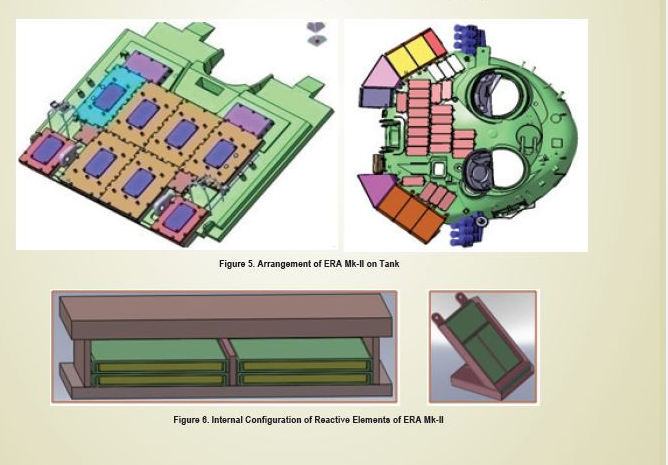
Indian Army receive the upgraded T-72M1 Ajaya Mk-2. CI-Ajeya (Combat Improved Ajeya) tank is the modernized version of T-72. The tank capability was enhanced with Global Positioning System (GPS), Next generation Explosive Reactive Armour (ERA) Mk-II, new 1000 HP engine and Integrated Fire Detection and Suppression System (IFDSS) to the level of contemporary combat vehicles. The upgradation of the tank is being done by HVF, based on CVRDE design and issued to the Army for use.


 This T-72M1 has better ERA cover & mobility compare to T-90S Bhishma.


Video Shows Indian T-72 Tanks Manoeuvring The World's Highest Battleground;


The recent escalation of aggression by the Chinese, on India's border with Tibet, brings into focus availability of options for an Indian pushback, in the event of further Han Chicom escalation. One among the many, thwarting PRC's attempt at crossing the Rubicon, would be India's Armoured Formations, deployed on the Ladakhi plains, located at the unimaginably challenging altitudes, in excess of 4,500 metres.

This interesting, undated video footage, above, shows a convoy of Indian Army's T-72 Tanks, executing manoeuvres in the icy Plateaus of the Ladakh region, bordering Tibet. Reports indicate that the Indian Army has stationed a Brigade-strength of, roughly, 174 T-Series tanks [3 Regiments] in Ladakh, under the Command of it's XIV 'Fire & Fury' Corps. Of these, two Regiments [116] are composed of the T-72 Tanks - one being 4 Horse, while the more advanced T-90 equipped 85th Armoured Regiment, completes the triumvirate. 

Availability of these Russian-origin, Indian-built Tanks, with their 125 mm bore Main Gun Barrel, lends Field Commanders the flexibility to bear considerable firepower upon the Aggressor. Clearly visible in the video, under a thick layer of snow, are the Explosive Reactive Armour [ERA] modules covering the Tank's Turret, & Hull. These fitments are a result of India's in-house upgrade programme, the end-result that India calls the Combat Improved Ajeya [CI Ajeya].

For a considerable time, word on the streets has been that the Indian Army is looking to enhance the lethality of it's T-Series tanks, for launching 3rd-gen Anti-Tank Missiles from it's Smooth Bore Barrel. It would engage targets over a range of 8 kilometres at any given time of the day, whether visible or not [LOS, BLOS, NLOS]. A Barrel replacement plan, it has set in motion, so that a common successor, mounted on either tanks, can fire higher-penetration Armoured Piercing Fin Stabilised Discarding Sabot [APFSDS] projectiles, than what it is currently capable of.

In the meanwhile, the Army has gone ahead replenishing it's inventory, stocking up on APFSDS ammunition that the current Barrels can fire.

A retrofitted Auxiliary Power Unit [APU] is also sought to be mounted on the Russian Tanks, to ration engine operation. APU has been a native feature of the indigenously developed Arjun Main Battle Tank [MBT]. The previously Night-blind T-72 Tanks have received upgrades, now making them capable of combating, both, darkness & the enemy.

Capability enhancements resulted in T-72's weight gain. To maintain original performance parameters, Defence Research & Development Organisation [DRDO] lab, the Avadi-based Combat Vehicle Research & Development Establishment [CVRDE] lead a developmental effort. This resulted in uprating the original engine to output 1000 HP of Power, from the earlier 780 HP. This would be implemented across the entire T-72 IA fleet. While the Western Sector would be a major focus of, best avoided, Tank Battles for the Army, with it's vast stretches of undulating plains, starting from Gujarat, extending up North to Punjab, these upgrades would equally benefit the Tank in it's China-facing deployments too.


Via Spansen


Monday, June 15, 2020

1st Contract Finally In Sight For India’s Own Attack Helicopter

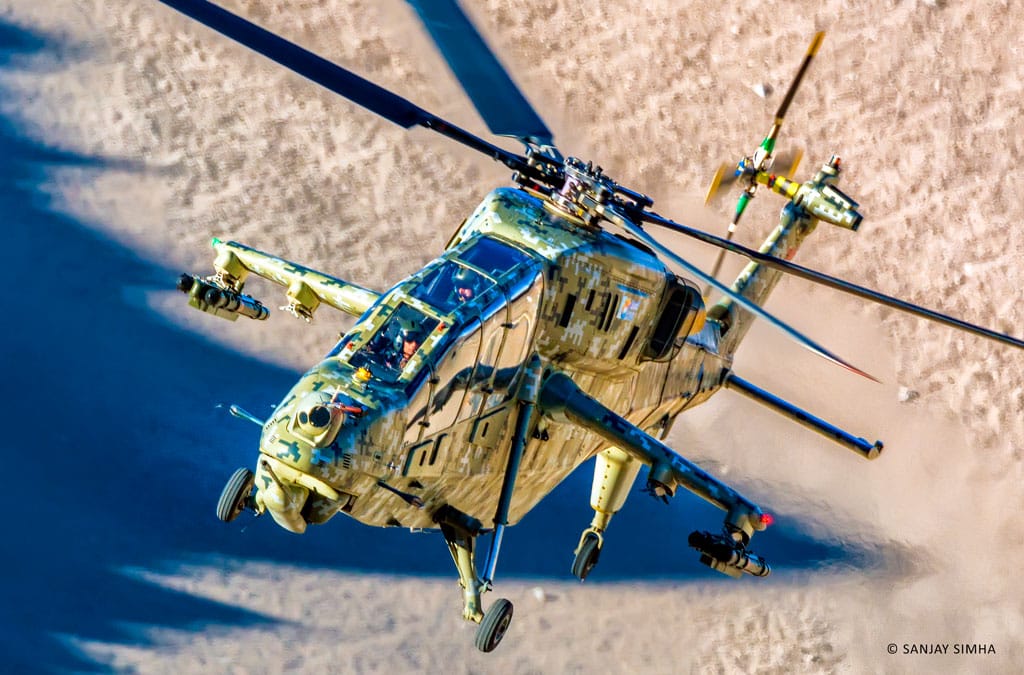
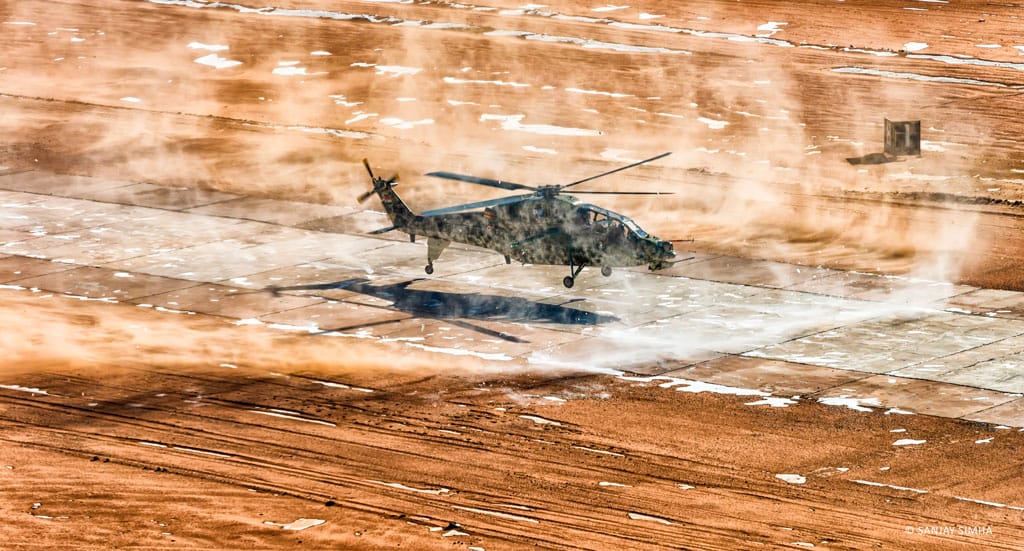
Freshly confident that an elusive contract for India’s first attack helicopter is in sight, India’s Hindustan Aeronautics Ltd (HAL) has ramped up production of the Light Combat Helicopter (LCH) in Bengaluru. With crucial — and sticky — price negotiations complete, HAL is finally reassured that this one’s in the bag.


If HAL is right, and the contract is closed this year, it will be a full four years after the Indian MoD cleared the acquisition in November 2016, a long time for a program that’s been waiting for years, but fleeting by traditional Indian contracting standards.

Speaking in an exclusive interview to Livefist, HAL chairman R. Madhavan said, “That (the order) will come very soon. We have concluded price negotiations. We are now awaiting financial sanction. By the end of this year, we should see the initial order for 15 aircraft. After that we expect orders for more than 150. In fact, assuming we’re receiving the order, we’ve already begun production of five new aircraft immediately. This will allow us to deliver the aircraft earlier than planned, once the order is confirmed.”

While the Indian Air Force will be the LCH’s launch customer, the Indian Army will receive most of the 165 planned airframes. The two services still haven’t fully sorted out who must operate armed helicopters, with even foreign imports of the AH-64E being split between the two services for now.

The first LCH order has been tantalisingly close but just out of reach for a few years now, though it must be said that HAL is now for the first time convinced that contract signature will take place before the year is out. It has been a tense wait.

Speaking to Livefist last February, HAL’s chief helicopter test pilot Wing Commander Unni Pillai said, “We are awaiting contract signature. The delivery of the first 15 can happen almost immediately. We’ve already made structures for 9 inhouse using HAL money. They only need to be equipped. Will take 6 months to deliver and we can do it before the stipulated time in contract. Will be the first time a delivery is happening well in advance to the users. We expect a total order for 165 airframes. Looking at foreign market very closely too. Very few countries make a cost-effective attack helicopter — few countries can afford the capability. Will compete with China too.”


Unlike virtually every other attack helicopter in the market, the LCH’s biggest designed-in capability is high altitude performance, a key requirement from the aircraft. Prototypes of the helicopter have been deployed repeatedly over the last decade in the super-high altitude areas of Ladakh and the Siachen Glacier.

LCH project pilot Group Captain Hari Nair tells Livefist, “This has to be seen against the backdrop of the Kargil War, it was back then when we had attack helicopters which could not  reach the altitudes because of performance limitations. That is when the Air Force wanted a weapon system with the capabilities of reaching those altitudes and that was the backdrop to the requirements that were framed for this helicopter.  That’s the origin, and we developed using the transmission of the ALH. They have much more than this, they have got improved aerodynamics. There was a challenge in intergrating the wings on the helicopter and retaining the overall performance and essentially the focus was on high altitude. High altitudes in the sense that, much more than what the western helicopters are capable of. Altitudes in the axis of 15000-17000  feet, operating and firing weapons.  So the entire focus was to develop an attack helicopter to operate in those higher altitudes.” 


Group Captain Nair adds, “As a pilot when you fly in that terrain, I am used to flying in certain other helicopters which are still in service with the Indian Air Force. The performance of the LCH gives tremendous freedom of operations. Freedom in the sense of the flight envelop, handling, characteristics, it is very forgiving. It has got a very high transit speed compared to the other helicopters in service today.”

LCH firing an MBDA Mistral missile

At the testing level, weapons trials have been successful, though bureaucratic hurdles have left the LCH (and the Dhruv-based Rudra) incompletely armed. Last year Livefist detailed the inexplicable path that has left the LCH ironically armed with launchers, but without weapons to fire from them. Armed with a chin-mounted 20mm Nexter M621 cannon and 70mm rocket pods, the LCH has ATAM (air to air Mistral) launchers, and will deploy the Dhruvastra twin launcher for the indigenous HELINA anti-tank guided missile. An ongoing effort has also sought to arm the LCH with a foreign-made anti-tank missile, either the Rafael Spike ER or MBDA PARS L3, though that hasn’t resulted in a decision or next steps.

Manufacturing and fabrication work has ramped up at HAL’s facility in Bengaluru. In February this year, right before the Covid19 pandemic hit, HAL inaugurated the LCH final assembly hangar.


Friday, April 17, 2020

IAF’s new Apache helicopter makes emergency landing in Punjab

An Apache helicopter of the Indian Air Force made an emergency landing in a Hoshiyarpur village after developing a technical fault. There was no loss of life or property.


An Apache helicopter of the Indian Air Force (IAF) made an emergency landing in Hoshiarpur, Punjab on Friday afternoon.

The newly inducted IAF helicopter took off from the Pathankot air base, but the pilot had to make an emergency landing in a field in Hoshiarpur after it developed a technical snag, officials said.

"The chopper made a precautionary landing after warning alert in its control panels," the Indian Air Force said in its statement.

The crew is safe and no major damage has been reported. "The attack choppers are based out of the Pathankot airbase and this chopper had taken off from there. The Air Force will check the helicopter and then take it back to its base. The pilots are safe," the Air Force said.

The US-made Apache AH-64E attack helicopters were inducted into the Indian Air Force last year. The AH-64E Apache is one of the world's most advanced multi-role combat helicopters.

22 Apaches were ordered by India for the IAF in a $1.1 billion deal, the first of which were delivered in September, last year.

Tuesday, April 14, 2020

U.S. Approves Sale of MK 54 Lightweight Torpedoes, Harpoon Missiles to India

WASHINGTON, April 13, 2020 - The State Department has made a determination approving a possible Foreign Military Sale to the Government of India of ten (10) AGM-84L Harpoon Block II air launched missiles and related equipment for an estimated cost of $92 million, and sixteen (16) MK 54 All Up Round Lightweight Torpedoes (LWT); three (3) MK 54 Exercise Torpedoes (MK 54 LWT Kit procurement required); and related equipment for an estimated cost of $63 million. 

The Government of India has requested to buy ten (10) AGM-84L Harpoon Block II air launched missiles. Also included are containers, spare and repair parts, support and test equipment, publications and technical documentation, personnel training and training equipment, Specialized Assignment Airlift Missions (SAAM), U.S. Government and contractor representatives technical assistance, engineering, and logistics support services, and other related elements of logistics and program support. The estimated program cost is $92 million.

The Government of India has requested to buy sixteen (16) MK 54 All Up Round Lightweight Torpedoes (LWT); and three (3) MK 54 Exercise Torpedoes (MK 54 LWT Kit procurement required). Also included are MK 54 spare parts; torpedo containers; two (2) Recoverable Exercise Torpedoes (REXTORP) with containers; Fleet Exercise Section (FES) and fuel tanks built into MK 54 LWT Kits (above); air launch accessories for fixed wing; spare parts; training, publications; support and test equipment; U.S. Government and contractor engineering, technical, and logistics support services; and other related elements of logistics support. The estimated program cost is $63 million.

Saturday, December 21, 2019

Indian Army acquires Spike LR ATGMs


India has procured the Rafael Advanced Defense Systems Spike LR (long-range) anti-tank guided-missile (ATGM) system to meet Indian Army (IA) operational requirements.

Indian Minister of State for Defence Shripad Naik told parliament on 11 December that the Israeli-made, man-portable, fourth-generation system, which can engage targets in ‘fire-and-forget’ and ‘fire-observe-and-update’ modes, will “enhance operational flexibility and crew survivability”.

Naik did not specify the number of ATGMs procured or provide any details regarding the delivery schedule or contract value, but official sources told Jane’s on 16 December that the deal included the import of 260 Spike LR missiles and 12 launchers.

They were purchased under the newly enhanced financial powers of India’s Vice Chiefs of Staff that permit them to acquire goods and materiel worth INR5 billion (USD70 million) without prior Ministry of Defence (MoD) approval to meet “urgent operational requirements”.

ინდოეთის არიამ, ოპერატიული მოთხოვნილების დასაკმაყოფილებლად, ებრაული ტსმრ-ი Spike LR (long-range) შეიძინა. ამის შესახებ 11 დეკემპბერს, პარლამენტშ, ინდოეთის სახელმწიფო მინისტრმა, შრიპად ნაიკმა, განაცხადა. მისი სითყვების თანახმად ინდოეთმა ისრაელისგან "გაისროლე-დაივიწყე" და "გაისროლე-დააკვირდი და განააახლე" რეჟიმის მქონე სისტემები შეიძნა, რაც მისი ოპერატორების გადარჩენადობას საგრძნობლად ზრდის.

ნაიკმა არ დაასახელა შეძენილი რაკეტებისა და გამშვებების რაოდენობა, თუმცა როგორც "ჯეინს დეფენსისთვის" გახდა ცნცობილი, ხელშეკრულების ფარგლებში ინდოეთის არმია Spike LR-ის 260 რაკეტასა და 12 გამშვებ დანადგარს შეიძენს.

ტსმრ-ის შეძენა ამ ცოტა ხნის წინ, ინდოეთის გენშტაბის მეთაურისთვის მინიჭებული ფართო უფლებებთან შესაბამისობაში მოხდა, რომლის თანახმადაც გენშტაბის მეთაურს, თავდაცვის მინისტრის ნებართვის გარეშე შეუძლია 5 მილიარდი რუპიის (70 მილიონი აშშ დოლარი) ფარგლებში შეიძინოს და დააკმაყოფილოს არმიის ოპერატიული მოთხოვნილებები.

Thursday, March 21, 2019

ინდური МиГ-21бис UPG vs პაკისტანის F-16MLU

ინდო-პაკისტანის ბოლო შეხლა შემოხლას დადასტურებულად შეეწირა ინდუსების МиГ-21бис UPG, რომლის პილოტიც ჩაის ქვითართან ერთად პაკისტანელებმა ორიოდე დღეში დაუბრუნეს ინდურ მხარეს.

ინდური მხარე საპირისპიროდ ამტკიცებდა, რომ მათმა МиГ-21бис UPG-მ პაკისტანის F-16MLU ჩამოაგდო, დღემდე ეს საკითხი ვერც ვერავინ დაადასტურა და ვერც ვერავინ უარყო. და აი პაკისტანმა წარადგინა ჩამოგდებული ინდური МиГ-21бис UPG-ს საბრძოლო კომპლექტის ფოტოები - ფოტოებზე ასახულია 2 ცალი Р-77 და 2 ცალი Р-73. გამოდის რომ ინდუსები ტყუოდნენ - МиГ-21бис UPG-ს საბრძოლო მარაგი სრულად და გამოუყენებლად იქნა წარმოდგენილი, რაც იმას ამტკიცებს რომ ინდუსმა პილოტმა ცეცხლის გახსნა ვერ მოასწრო ან ვერ მოახერხა.


ფოტოები გადიდებადია


Wednesday, February 27, 2019

პაკისტანში ტყვედ აყვანილი ინდოელი პილოტები

პაკისტანის ოფიციალურმა მხარემ ტყვედ აყვანილი ინდოელი პილოტების ფოტო და ვიდეო მასალა გაავრცელა. შეგახსენებთ რომ გუშინ, ქაშმირის პაკისტანის მიერ კონტროლირებად ნაწილში, ინდოეთის ავიაციამ ავიაიერიში განახორიცელა. იერიში დროს, როგორც პაკისტანური მხარე აცხადებს - ორი ცალი ინდოეთის საფრენი აპარატი იქნა ჩამოგდებული (იხილეთ სტატია - ინდო-პაკისტანის დაპირისპირება ცხელ ფაზაში გადავიდა - ჩამოგდებულია ინდოეთის Mirage-2000).


პაკისტანური მხარის განცხადების თანახმად - დაკავებული ორი პილოტიდან ერთი საავადმყოფოშია, ხოლო მეორე პატიმრობაში იმყოფება.

გავრცელებულ ვიდეოში ჩანს თვალებახვეული საფრენოსნო კოსტუმში გამოწყობილი მამაკაცი, რომელიც ამბობს რომ ის ავიაფრთის მეთაური აბჰი ნანდანიაა და ასახელებს თავის სერიულ ნომერს. შემდეგ ის კითხულობს "იმყოფება თუ არა პაკისტანელი სამხედროების ტყვეობაში?"

"მე ვარ ავიაფრთის მეთაური აბჰი ნანდანი, ჩემი სერიული ნომერია - 27981" - განაცხადა მამაკაცმა ვიდეოში.

"მე ვარ მფრინავი და ჩემი რელიგია ინდუიზმია"  - განაგრძობს პილოტი.

თავის კითხვაზე პასუხის შემდეგ პილოტმა საუბარზე უარი განაცხადა: "მაპატიეთ, მაგრამ ამაზე მეტის თქმის უფლება არა მაქვს".

ზოგიერთი წყაროს თანახმად, მეტაური აბჰი ნანდანი 51-ე ავიაესკადრილიის МиГ-21 «Бизон»-ის პილოტია.

ჩამოგდებული МиГ-21