Showing posts with label ვერტმფრენი. Show all posts

Thursday, December 31, 2020

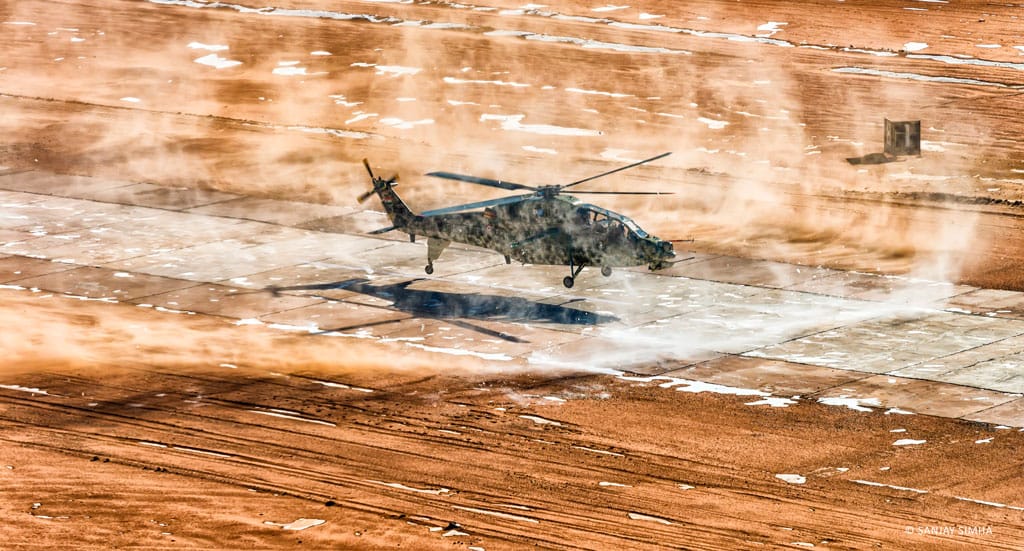
Russian Armed Forces Receive First Two Advanced Mi-28NM Attack Helicopters

The first two serial attack helicopters of the upgraded Mi-28NM project have been handed over to the Russian Armed Forces.


"As part of the contract for serial delivery, the first two advanced Mi-28NM helicopters were recently handed over to the army aviation, the corresponding acceptance certificates were signed," the source said.

Under the current defense order Russian Helicopters will provide to the Russian Army 98 helicopters by 2027.

An upgraded version of the Mi-28N under development since 2009. The helicopter has redesigned nose hull due to removal of its nose antenna, new H025 radar station for all-round visibility, more powerful VK-2500P engines with FADEC instead of the previous Klimov TV3-117VMA engines and improved rotor blades to increase its maximum speed by 13% and cruise speed by 10%. Besides that, it has an upgraded fire-control system and new "Izdeliye 296" onboard radio-electronic data processing system. It will be equipped to carry the 9M123 Khrizantema-V and 9M127-1 Ataka-VM anti-tank missiles. It is also planned to be equipped with the new "Izdeliye 305" or LMUR (Light Multi-role Unified Missile) multi purpose missile, designed for use against air and ground targets, and fitted with inertial guidance in initial flight, with mid-course updates by an operator before the target is acquired by the missile's own seeker, giving a range of 25 km (16 mi). The Mi-28NM made its maiden flight in October 2016 and the state trials of the upgraded VK-2500P engines were completed in October 2020.
Monday, June 15, 2020

1st Contract Finally In Sight For India’s Own Attack Helicopter

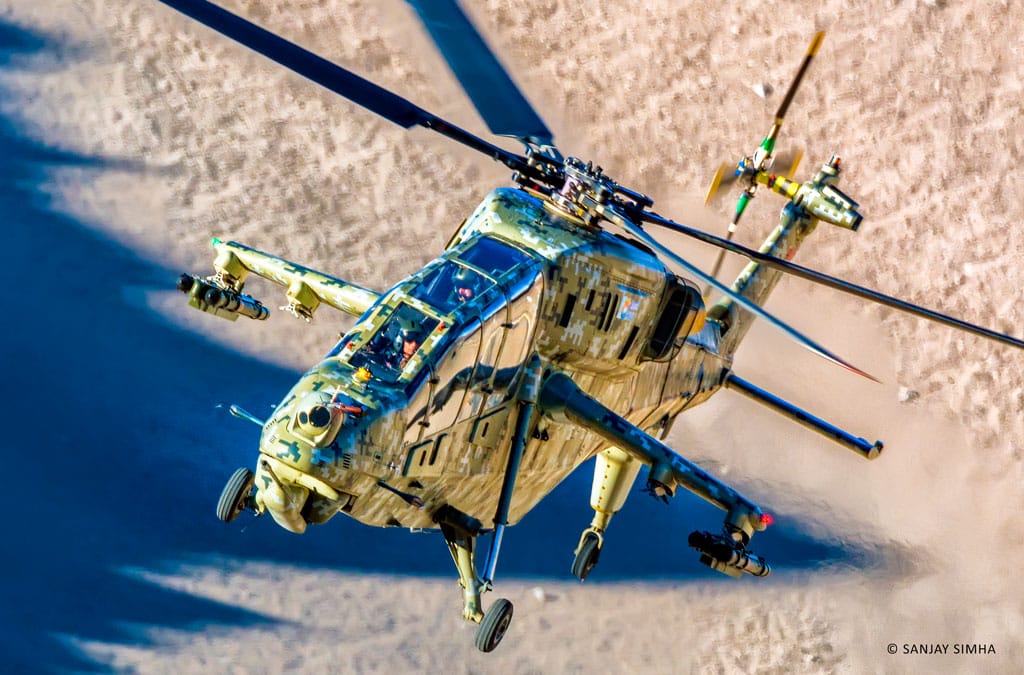
Freshly confident that an elusive contract for India’s first attack helicopter is in sight, India’s Hindustan Aeronautics Ltd (HAL) has ramped up production of the Light Combat Helicopter (LCH) in Bengaluru. With crucial — and sticky — price negotiations complete, HAL is finally reassured that this one’s in the bag.


If HAL is right, and the contract is closed this year, it will be a full four years after the Indian MoD cleared the acquisition in November 2016, a long time for a program that’s been waiting for years, but fleeting by traditional Indian contracting standards.

Speaking in an exclusive interview to Livefist, HAL chairman R. Madhavan said, “That (the order) will come very soon. We have concluded price negotiations. We are now awaiting financial sanction. By the end of this year, we should see the initial order for 15 aircraft. After that we expect orders for more than 150. In fact, assuming we’re receiving the order, we’ve already begun production of five new aircraft immediately. This will allow us to deliver the aircraft earlier than planned, once the order is confirmed.”

While the Indian Air Force will be the LCH’s launch customer, the Indian Army will receive most of the 165 planned airframes. The two services still haven’t fully sorted out who must operate armed helicopters, with even foreign imports of the AH-64E being split between the two services for now.

The first LCH order has been tantalisingly close but just out of reach for a few years now, though it must be said that HAL is now for the first time convinced that contract signature will take place before the year is out. It has been a tense wait.

Speaking to Livefist last February, HAL’s chief helicopter test pilot Wing Commander Unni Pillai said, “We are awaiting contract signature. The delivery of the first 15 can happen almost immediately. We’ve already made structures for 9 inhouse using HAL money. They only need to be equipped. Will take 6 months to deliver and we can do it before the stipulated time in contract. Will be the first time a delivery is happening well in advance to the users. We expect a total order for 165 airframes. Looking at foreign market very closely too. Very few countries make a cost-effective attack helicopter — few countries can afford the capability. Will compete with China too.”


Unlike virtually every other attack helicopter in the market, the LCH’s biggest designed-in capability is high altitude performance, a key requirement from the aircraft. Prototypes of the helicopter have been deployed repeatedly over the last decade in the super-high altitude areas of Ladakh and the Siachen Glacier.

LCH project pilot Group Captain Hari Nair tells Livefist, “This has to be seen against the backdrop of the Kargil War, it was back then when we had attack helicopters which could not  reach the altitudes because of performance limitations. That is when the Air Force wanted a weapon system with the capabilities of reaching those altitudes and that was the backdrop to the requirements that were framed for this helicopter.  That’s the origin, and we developed using the transmission of the ALH. They have much more than this, they have got improved aerodynamics. There was a challenge in intergrating the wings on the helicopter and retaining the overall performance and essentially the focus was on high altitude. High altitudes in the sense that, much more than what the western helicopters are capable of. Altitudes in the axis of 15000-17000  feet, operating and firing weapons.  So the entire focus was to develop an attack helicopter to operate in those higher altitudes.” 


Group Captain Nair adds, “As a pilot when you fly in that terrain, I am used to flying in certain other helicopters which are still in service with the Indian Air Force. The performance of the LCH gives tremendous freedom of operations. Freedom in the sense of the flight envelop, handling, characteristics, it is very forgiving. It has got a very high transit speed compared to the other helicopters in service today.”

LCH firing an MBDA Mistral missile

At the testing level, weapons trials have been successful, though bureaucratic hurdles have left the LCH (and the Dhruv-based Rudra) incompletely armed. Last year Livefist detailed the inexplicable path that has left the LCH ironically armed with launchers, but without weapons to fire from them. Armed with a chin-mounted 20mm Nexter M621 cannon and 70mm rocket pods, the LCH has ATAM (air to air Mistral) launchers, and will deploy the Dhruvastra twin launcher for the indigenous HELINA anti-tank guided missile. An ongoing effort has also sought to arm the LCH with a foreign-made anti-tank missile, either the Rafael Spike ER or MBDA PARS L3, though that hasn’t resulted in a decision or next steps.

Manufacturing and fabrication work has ramped up at HAL’s facility in Bengaluru. In February this year, right before the Covid19 pandemic hit, HAL inaugurated the LCH final assembly hangar.


Saturday, June 6, 2020

Future recon aircraft competition moves forward featuring a 20mm Gatling gun developed at Picatinny

As two industry teams develop prototypes that will go head-to-head in a competition for the Army’s Future Attack Reconnaissance Aircraft, both teams will be working with Picatinny Arsenal engineers to outfit those aircraft with 20mm Gatling guns.


The Future Vertical Lift (FVL) Cross Functional Team has accelerated the FARA to return a dedicated aerial reconnaissance capability to Army Aviation, filling the void left by the retired OH-58 Kiowa scout helicopter.

To meet their aggressive timetable, the FARA Competitive Prototype (FARA CP) Program is using an Other Transaction Authority for Prototype arrangement as part of the Army’s strategy. Under FARA CP, Bell and Lockheed Martin will design, build, and test two demonstrator aircraft competitively before the Army selects one aircraft in 2024.

The Advanced Rotorcraft Armament and Protection System (ARAPS) program team at the U.S. Army Combat Capabilities Development Center (CCDC) Armaments Center will prototype and demonstrate the Gatling gun, known as the XM915, for transition and integration into the Bell and Lockheed Martin FARA CP demonstrator aircraft.


The XM915 under development is a 20mm, three-barrel Gatling weapon capable of firing up to 1500 shots per minute while weighing under 115 lbs. The weapon will be mounted in a turreted cradle allowing the weapon to be aimed independent of the aircraft’s direction of travel. Ammunition will be fed into the weapon by a linkless carrier drive system that accomplishes the same task as steel-belted ammunition while saving weight and increasing system reliability.

FVL is one of the U.S. Army's top modernization priorities that also includes Long Range Precision Fires, Next Generation Combat Vehicles, Network, Air and Missile Defense, and others.

FVL platforms and technologies, including the FARA, increase the maneuverability, endurance, lethality, and survivability of Army aircraft – broadening their operational reach and effectiveness against near-peer competitors.

FARA CP will feature a lightweight primary armament system with rapid-fire capability to engage targets of opportunity and provide defensive fires without excessive payload and impulse considerations to the airframe.

U.S. Army modernization officials have asked aviation firms for ideas on equipping the service's future attack reconnaissance aircraft with mission systems.

The Army modernization strategy, launched in 2017, was put into play with the goal of replacing most major combat platforms beginning in 2028.

As part of the Gatling gun development, the CCDC Armaments Center performed analysis to frame the armament system trade space. Trade space analysis identifies critical components and capabilities, explores the relationships between them, and quantifies those relationships for informed decision making. Engineers explored combinations of weapon and ammunition, balancing adversary target effects and total armament system weight, to create metrics of performance. These metrics were used to narrow the field of weapons that fit the trade space.

For its reconnaissance missions, the FARA aircraft prioritizes lightweight platform and mission system technologies for increased aircraft mobility and survivability.

To meet the FARA CP schedule, Armaments Center engineers leveraged a low Technology Readiness Level (TRL) 20mm Gatling weapon to mature as the point of entrance for the FARA CP weapon. The ARAPS program will prototype and demonstrate to TRL 6 the XM915, a 20mm Gatling weapon for transition and integration into the Bell and Lockheed Martin FARA CP demonstrator aircrafts.

“Thousands of modeling and simulation runs played weapon configurations on a representative aircraft in combat-derived scenarios to establish trends,” said Daniel DiMartino, acting FVL Science and Technology Lead at the Armaments Center. “These trends consider the aircraft elevation and position, weapon rate of fire and accuracy, ammunition characteristics, and target type to provide engineering data that informs product development.”

Engineers have found that a 20mm Gatling weapon provides sufficient range and lethality while minimizing system weight and forces applied to the FARA airframe.

The Armaments Center is performing engineering activities to design, model, test and evaluate the XM915 weapon. Engineers are analyzing complete system effectiveness of the XM915 in a lab environment to determine overall performance against a variety of target sets. These lab analyses will transition to flight testing on the forthcoming FARA platform.

“We have been able to accomplish a significant amount of engineering development in the accelerated timeline to produce the XM915,” said Michael Colonnello, acting FVL Acquisition Lead at the Armaments Center. “These next few years of development and testing are critical to push technology to the warfighter.”

The XM915 is on schedule for live fire performance and reliability testing in 2021 to meet TRL 6 criteria, meaning the weapon has reached a level of maturity to operate in a relevant environment. The XM915 will be provided as Government Furnished Equipment to Bell and Lockheed Martin for integration prior to 2023 flight testing and demonstrations. Armaments Center is currently supporting the FARA CP program to facilitate XM915 integration to each demonstrator aircraft and ensure the Government receives best value through the prototype acquisition process.

Wednesday, April 8, 2020

HH-60W Jolly Green II completed trial of extremes inside the Climatic Lab April 2

An HH-60W Jolly Green II, the Air Force’s new combat search and rescue helicopter, completed a month-long trial of extremes inside the McKinley Climatic Lab April 2.


The Sikorsky test aircraft endured real temperatures ranging from 120 degrees to minus 60 degrees Fahrenheit as well as 45 mph winds coupled with heavy rainfall.  All of those scenarios were created within the lab’s 55,000 square foot test chamber.


The goal of these punishing tests was to prove the new aircraft’s sustainability in any operational environment. 

“Operating the HH-60W in the extreme conditions was a truly unique experience as a pilot and a tester,” said Lt. Col. Ryan Coates, an 88th Test and Evaluation Squadron pilot, who performed most of the testing.  “Checking system performance under the stress of heat, cold, heavy wind and rain will give us real-world data regarding the helicopter’s capability to perform the rescue mission worldwide in various environments, which is exactly what the operator needs to make solid employment decisions."

Once the lab technicians created the extreme environments, aircrew would enter the aircraft and perform various test procedures.  The crew would execute their preflight checklists and perform tasks to see if the extreme conditions affected any of the avionics, electronics, engine and other systems.

The aircrew performing the procedures were also test subjects themselves.  Their own reactions and movements were evaluated in the harsh environment.  For example, the cold-weather gear worn by the aircrew is much bulkier than a standard flight suit.  One of the evaluations was to ensure the pilots could easily reach all of the aircraft controls in the thicker cold-weather gear.

A significant amount of the test schedule was dedicated to preparing the chamber for the extreme conditions. McKinley’s lab professionals create, break-down, and recreate again for each new test environment.  Technicians worked continuously to go from a superheated 100-degree desert condition to a below freezing icebox in only three days.

“McKinley Climatic Laboratory maintains quickness and technical proficiency by retaining our own staff of highly experienced welders, machinists, electricians, instrumentation experts, test assembly personnel and refrigeration operators,” said William Higdon, the lab’s technical advisor.  “Our main mission is to support the warfighter and to ensure any environment they encounter in the field; their equipment has already been proven in those extremes.”

The Jolly Green II created some unique challenges for McKinley Lab personnel.  The lab technicians created a system specifically for the HH-60W to remove the aircraft’s exhaust.  Thorough exhaust removal is a critical part of maintaining the controlled temperature conditions needed for chamber testing, according to lab technicians working on the test.  

The design of the ventilation system meant the aircraft’s blades were removed for the duration of the testing.  The lab’s in-house fabrication shop also specially designed brackets for the aircraft’s weapons among other items.

“Successful completion of this test is absolutely shared with the Sikorsky and McKinley teams,” said Ben Walker, the lead 413th Flight Test Squadron test engineer for the effort and Air Force PALACE Acquire journeyman.  “Everyone worked together extremely well and we completed on time and on budget. I am very thankful for this opportunity to perform exciting engineering work, while also supporting the warfighter.”

After testing in the climatic lab, the HH-60W will return to Sikorsky’s test facility in West Palm Beach for further evaluation.  The HH-60W developmental test program is a joint effort between Sikorsky, the 413th FLTS, the 88th TES and Air Force Operational Test and Evaluation Center.  Test aircraft are primarily split between Duke Field here and Sikorsky’s West Palm Beach facility.

“Testing on the Combat Rescue Helicopter continued amidst the chaos of COVID-19,” Lt. Col. Wayne Dirkes, the 413th FLTS operations officer.  “While the situation could change at any moment, we have not lost any test schedule thus far.  That is a testament to the entire team’s attitude and willingness to work through challenges.”


Thursday, December 19, 2019

US Air Force names MH139 the MH-139A Grey Wolf

აშშ-ს არმიამ ვერტმფრენ MH139-ს სახელი მიანიჭა - მას MH-139A Grey Wolf (რუხი მგელი) ეწოდა. ვერტმფრენმა აშშ-ს არმიის შეიარაღებაზე მყოფი UH-1 უნდა ჩაანაცვლოს

Wednesday, December 18, 2019

ყველაზე მანევრული ვერტმფრენი - Agusta Westland Lynx AH.9A

სანამ სტატიას წაიკითხავთ, გთხოვთ გადახვიდეთ მითითებულ ბმულზე (ყავისფრად მონიშნული ტექსტი) და მოიწონოთ ჩვენი სამხედრო თემატიკის გევრდი - No Man's Land

................................................................................................................................................................................


გინახავთ ყველაზე მანევრული ვერტმფრენი? ინებეთ ვიდეო და დატკბით ბრიტანული  Agusta Westland Lynx AH.9A-ს წარმოუდგენელი პირუეტებით

Thursday, May 2, 2019

წლის ბოლომდე შინაგან საქმეთა სამინისტრო 4 ვერტმფრენს მიიღებს

დღეს, შინაგან საქმეთა მინისტრი გიორგი გახარია პარლამენტში „მინისტრის საათის“ ფორმატში გამოსვლა. საუბრის მსვლელობისას მინისტრმა მრავალ ინფრასტრუქტურულ და ტენოლოგიურ ინოვაციებზე ისაუბრა - მათ შორის განსაკუთრებით აღსანიშნავია ვერტმფრენების პარკის გაზრდა: 


შსს-ს ვერტმფრენი ყაზბეგში სამაშველო ოპერაციის დროს (ფოტოს წყარო - სამაშველო "რვიანი")

"მარტივი მაგალითი მინდა გითხრათ, სასაზღვრო პოლიციის ინფრასტრუქტურაში, დღეს არსებობს მხოლოდ და მხოლოდ ერთი ვერტმფრენი, რომელიც ემსახურება როტაციას სასაზღვრო პოლიციის, რომელიც ემსახურება მაგალითად თუშეთში რიგითი მოქალაქეების გადაყვანას, რომელიც ემსახურება საგანგებო სიტუაციებში მართვის სამსახურს, როდესაც ადამიანი გვიზიანდება მთაში ზამთრის პერიოდში. ჩვენ მოვახერხეთ და წლის ბოლომდე, შინაგან საქმეთა სამინისტროს ეყოლება ოთხი ვერტმფრენი. რა თქმა უნდა, არა ახალი, მაგრამ კაპიტალურად გარემონტებული ვერტმფრენები იქნება“, - აღნიშნა მინისტრმა.

მინისტრის გამოისვლის სრული ვიდეო იხილეთ ბმულზე - ვიცე-პრემიერის, შინაგან საქმეთა მინისტრის გიორგი გახარიას პარლამენტში გამოსვლა „მინისტრის საათის“ ფორმატში.

Friday, March 22, 2019

Sikorsky-სა და Boeing-ის პერსპექტიულმა SB>1 Defiant-მა პირველი ფრენა განახორციელა

ამა წლის 19 მარსტს, კომპანია Sikorsky-ს (შედის Lockheed Martin-ის კორპორაციაში) კუთვნილ ვესტ-პალმ-ბიჩის აეროდრომზე, Sikorsky-სა და Boeing-ის მიერ ერთობლივად შექმნილი მრავალფუნქციური ვერტმრენის დემონსტრატორის - SB>1 Defiant-ის პირველი ფრენა განხორციელდა (ვერტმფრენის საფირმო სახელწოდება Sikorsky S-100). SB>1-ის შემქნა აშშ-ს არმიის კონკურსის Joint Multi-Role (JMR) Technology Demonstrator (TD)-ს ფაგრგლებში სადემონსტრაციო პერსპექტიული ჩქაროსნულიო ვერტმფრენის სახით ხორციელდება. პროგრამის ფარგლებში უნდა შემუშავდეს პერსპექტიული საარმიო ვერტმფრენების Future Vertical Lift (FVL) კონცეფცია. SB>1-ის პირველი სადემოსნტრაციო პროტოტიპის პრეზენტაცია 2018 წლის 26 დეკემბერს განხორციელდა, პირველი ფრენა თავიდან 2017 წლის ბოლოს იყო დაგეგმილი, მაგრამ ვადების არაერთხელ გადაწევის მიზეზით ეს მხოლოდ ორიოდე დღის წინ მოხერხდა.


SB>1 მრავალფუნქციური ვერტმფრენის ქვეპროგრამა Capability Set 3 (Assault) / FVL-Medium-ის მოთხოვნის ფარგლებში იქმნება, ამჟამად პროგრამას Future Long-Range Assault Aircraft (FLRAA) ეწოდება - აღნიშნული პროგრამის მოთხოვნის თანახმად ვერტმფრენმა 12 სრულიად ეკიპირებული ქვეითი 230 კვანძის (428კმ/სთ) ტოლი კრეისერული სიჩქარით უნდა გადაიყვანოს 229 მილ (424 კმ) მანძილზე. ვერტმფრენი FLRAA ორი ცალი General Electric-სის პერსპექტიული ტურბოხრახნული ძრავით იქნება აღჭურვილი, ძრავების ასაფრენის სიმძლავრე 5000 ცხენის ძალას უნდა გაუტოლდეს.

პროგრამა FVL-ზე მუშაობა 2004 წლიდან მიმდინარეობს და ის ხუთი ახალი ვერტმფრენის ან ვერტიკალური აფრენ-დაფრენის მანქანის შექმნას ითვალისწინებს, რომლებმაც 2030-2035 წლისთვის აშშ-ს საარმიო ავიაციის არსებული ვერტმფრენები (OH-58, AH-64, UH-60, CH-47) უნდა შეცვალოს.

2013 წელს აშშ-ს არმიამ, Joint Multi-Role (JMR) Technology Demonstrator (TD)-ს ფარგლებში, ტექნოლოგიების დემონსტრატორად Bell Helicopter-სისა და Lockheed Martin-ის კონვერტოპლანი V-280 და Sikorsky-სა და Boeing-ის ჩქაროსნული ვერტმფრენი SB-1 Defiant იქნა აირჩია, ამ ორ ლიდერთან ერთად შერჩეული იქნა კომპანია Karem Aircraft-ის კონვერტოპლანი და AVX-ის ჩქაროსნული ვერტმფრენი - 2014 წლის აგვისტოში ეს ბოლო ორი კონკურსიდან მოიხსნა, რის შემდეგაც კონკურენცია,  JMR TD-ს კონკურსის ფარგლებში, უკვე აშშ-ს საავიაციო გიგანტებს შორის მიმდინარეობს, რომლებსაც 2014 წელს გაფორმებული ხელშეკრულების თანახმად პირველი სადემონსტრაციო პროტოტიპები 2017 წლის ბოლოსთვის უნდა წარედგინათ (ეს პირობა მხოლოდ კონვერტოპლანმა V-280-მა შეასრულა). ორივე პროექტის შემთხვევაში თავდაცვის სამინისტრო ხარჯების მხოლოდ 20% ანაზღაურებს, დანარჩენი კომპანიების ჯიბიდან გადის.

აღნიშნული პროექტის ფარგლებში სადემონსტრაციო მანქანების შესახებ ბლოგზე არაერთხელ დაიწერა, სტატიები იხილეთ მოყვანილ ბმულებზე:


თავისი არსით, JMR TD-ს ფარგლებში წარმოდგენილი ორივე პროექტი მრავალფუნქციურ საფრენ აპარატს წარმაოდგენს, რომლებმაც აშშ-ს არმიის შეიარაღებაზე არსებული Sikorsky UH-60 Black Hawk (კატეგორია JMR-Medium / FVL-Medium) უნდა ჩაანაცვლოს. ამავდროულად ორივე კომპანია აცხადებს რომ აშშ-ს არმიის ქვეპროგრამა Capability Set 3 / FVL-Attack-ის (Boeing AH-64 Apache-ს შესაცვლელად) ფარგლებში თავიანთი მანქანების საიერიშო ვარიანტზეც მუშაობენ.

ვერტმფრენი SB>1 კომპანია Sikorsky-ს მიერ შემუშავებულ შეწყვილებულ ხრახნებსა და უკან განთავსებულ მიმწოლ ხრახნს იყენებს. ამ სქემას კომპანია ექსპერიმეტალურ ვერტმფრენზე - X2-ზე იყენებდა, რომელის 2008-2011 წლებში გადიოდა გამოცდებს და ამ მზიდი მოწყობილობის წყალობით მოახერხა 460კმ/სთ სიჩქარის განვითარება. ანალოგიური მზიდი მოწყობილბა გამოცდებს გადიოდა 5 ტონიან Sikorsky S-97 Raider-ზეც, რომელის განცხადებული მაქსიმალური სიჩქარე 444, ხოლო კრეისერული 407 კმ/სთ-ს უტოლდებოდა.

SB>1-ის პირველი პროტოტიპის მაქსიმალური ასაფრენი წონა 32 000 ფუნტია (14 515 კგ), ტევადობა 18 კაცი. საცდელი ნიმუშები 4000 ცხენისძალიანი ტურბოხრახნული ძრავებით, Honeywell T55-ითაა აღჭურვილი (ანალოგიური ძრავები CH-47 Chinook-ზე გამოიყენება). აღნიშნული ძრავები 250 კვანძ (460კმ/სთ) მაქსიმალურ კრეისერულ სიჩქარეს უზრუნველყოს. მაგრამ კომპანიის განცხადების თანახმად, FLRAA-ს პროექტში მოთხოვნილი ფრენის მაძილის მიღწევა პერსპექტიული FATE ძრავებით იქნება შესაძლებელი.

Sikorsky SB>1-ს კონკურენტმა Bell-Lockheed Martin-ის V-280 Valor-მა, პირველი ფრენა 2017 წლის 18 დეკემბერს განახორციელა.

Saturday, September 3, 2016

Gazelle vs TOW

სირიაში წვერგაბურძგნულებმა ტსმრ TOW-ით სირიის არმიის ვერტმფრეი ჩამოაგდეს. გავრცელებული ვიდეოს მიხედვით ეს ფრანგული წარმოების Gazelle არის. რაკეტა მიზანს სავარაუდოდ 3400 მეტრიდან ესროლეს.


Tuesday, November 17, 2015

Президент-С აღჭურვილი Ми-35М

მოკლედ Ми-35М–ზეც მიაყენეს საბორტე დამცველი კომპლექსი "Президент-С". დღეს ბორტი МВЗ–ში მივიდა. 2 კვერცხი ფსკერზე და 4 სენსორი პერიმეტრზე, ასევე 4 ცალი სენსორი ფრთების ბოლოებზე, ორ–ორი თითო ფრთაზე და თითო სენსორი ბორტებზე,კაბინის უკან
"Липа" აღარ უყენია.

Tuesday, September 8, 2015

HELISOTA–ს მიერ მოდერნიზირებული ქართული Ми-8МТВ

ამ ვერტფრენის შესახებ უკვე ვწერდი – სამაშველო "რვიანი". ამჯერად ამ ვერტმფრენის  შესახებ რამოდენიმე დეტალს წარმოგიდგენთ.


მანქანა ლიტვაში, ქალაქ კაუნოში მდებარე კომპანია HELISOTA–ს მიერაა გარემონტებულ–მოდერნიზირებული. მოდერნიზაციის შედეგად როგორც აღვნიშნეთ მანქანამ ვიზუალური დათვალიერების შედეგად შემდეგი აღჭურვილობა მიიღო:

  • ამერიკული კომპანია spectrolab–ის მრავალსპექტრალური ილუმინატორი  SX-16 Nightsun® IFCO (მწარმოებლის ვებგვერდი – SPECTROLAB)
  • რუსული წარმოების ჯალამბარი ЛПГ-150 (150 კილო ტვირთის აწევის შესაძლებლობით და 40 მეტრიანი ფოლადის გვარლით).
  • რუსული წარმოების ქანქარიანი ვიბროშამხშობი ГВ 8АТ-1250.
  • კავშირგაბმულობის და ნავიგაციის ახალი სისტემები.
  • გაურკვეველი მწარმოებლის FLIR
HELISOTA–ს მიერ მოდერნიზირებული ქართული Ми-8МТВ-ს საფრენოსნო გამოცდები

პროჟექტორი SX-16 Nightsun® IFCO და მისი ტტმ


ქანქარიანი ვიბროჩამხშობი ГВ 8АТ-1250.
 

ჯალამბარი ЛПГ-150

FLIR

ვერტმფრენის კაბინა სავარაუდოდ ასე ფამოიყურება 

Saturday, July 18, 2015

დღის ფოტო – მზემზიდი

ვერტმფრენი რომელიც მზის ტრანსპორტირებას ახდენს 

P.S. რეალობაში ფოტოზე გამოსახული სახანძრო ვერტმფრენი Sikorsky S-64F, რომელიც კალიფორნიის შტატში, ადელაიდას მთებში მომხდარ ხანძარს ებრძვის. ფოტო გადაღებულია 2013 წლის 18 ივლისს

Friday, June 6, 2014

სამაშველო "რვიანი"

 ყაზბეგში, დარიალში ჩამოწოლილი ნიაღვრის გამო ვერტმფრენები ფრენას არ წყვეტენ. დღეს ასეთი ბორტი გამოჩნდა – Ми-8МТВ (1)

საბორტე ნომერი GBP-10001 (მესაზღვრეების) – აღჭურვილია ჯალამბარით, პროჟექტორით და რაღაცა FLIR–ივითა ჩანს

Sunday, March 31, 2013

ესპანური Tiger–ები ავღანეთში

Come to our site in facebook and "like" - The Dead District&Aviationarea


გერმანიის შემდეგ ავღანეთში დამრტყმელ შვეულმფრენ Tiger–ებს ესპანეთიც აგზავნის. მოიერიშე ვერტმფრენების ბატალიონის, BHELA–1–ის სამმა Tiger–მა Ан-124-ით უკვე მიაღწია ჰერატის ავიაბაზაზე. წინასწარი განცხადებების თანახმად ვერტმფრენების მისია ავღანეთში ოთხ თვეს გასტანს, თუმცა არაა გამორიცხული რომ მივლინებამ უფრომეტ ხანს გასტანოს.